RESTORATION
A family of engineers and dedicated builders, the Gonsoulins and Billingsleys approached the restoration with a hands-on philosophy. Every system, surface, and space was addressed.
What began as a deteriorating structure became, through persistence and ingenuity, a fully realized private retreat.
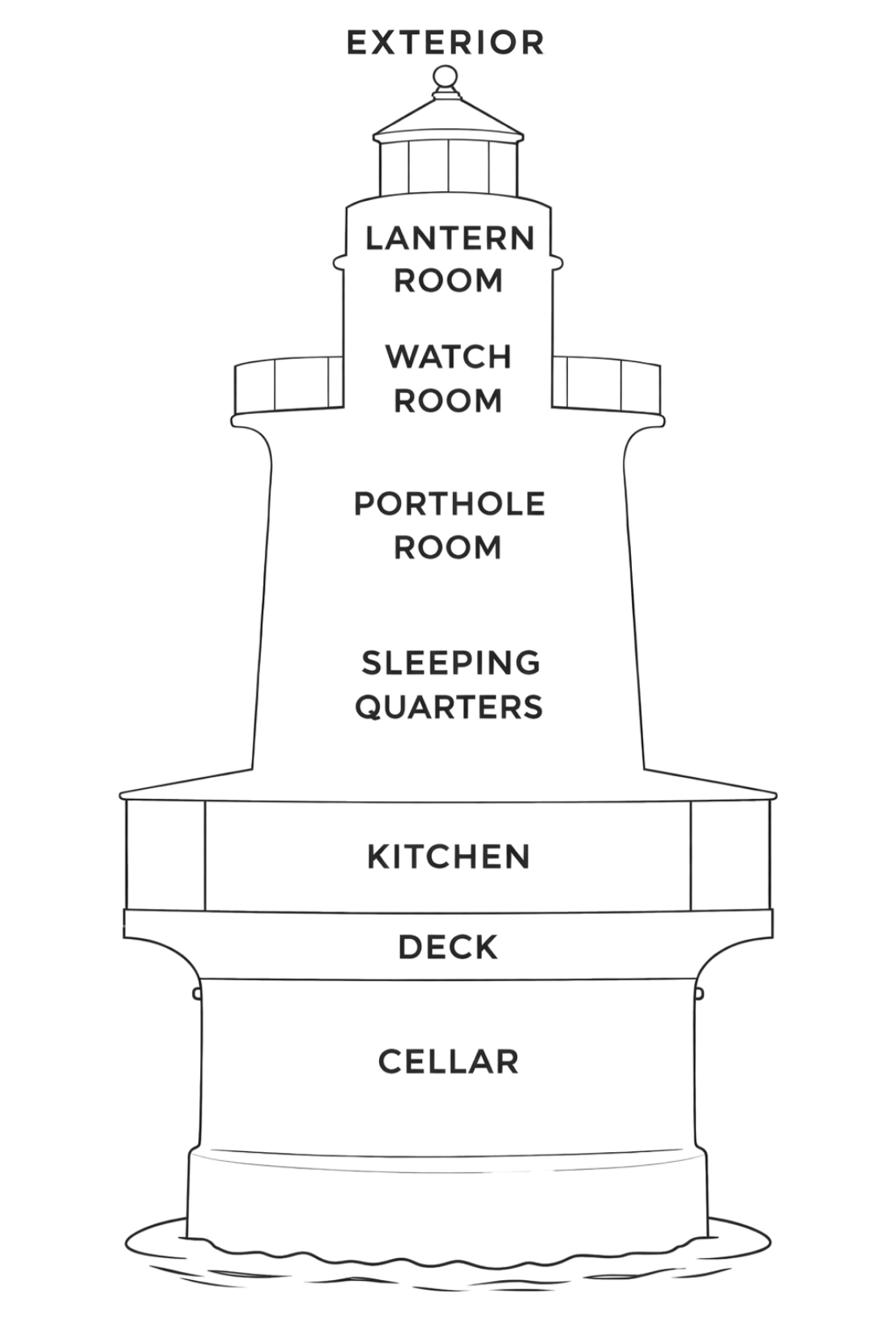
EXTERIOR
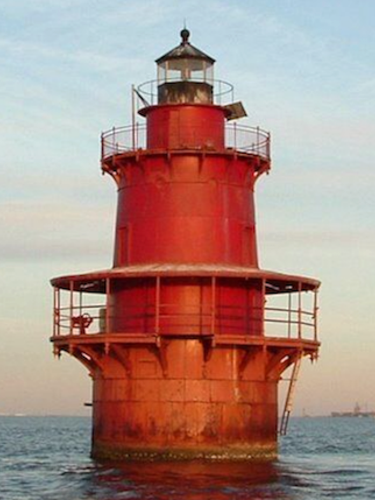
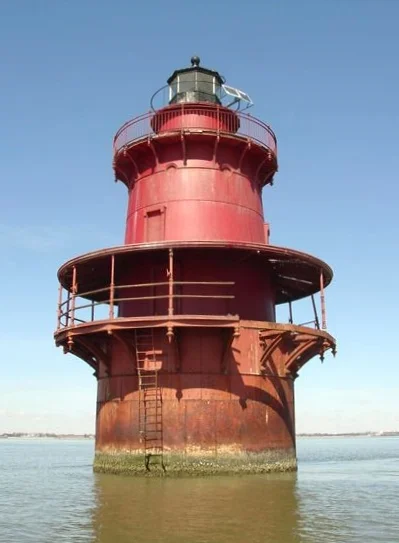
For years, the lighthouse was as notable for its deterioration as for its location.
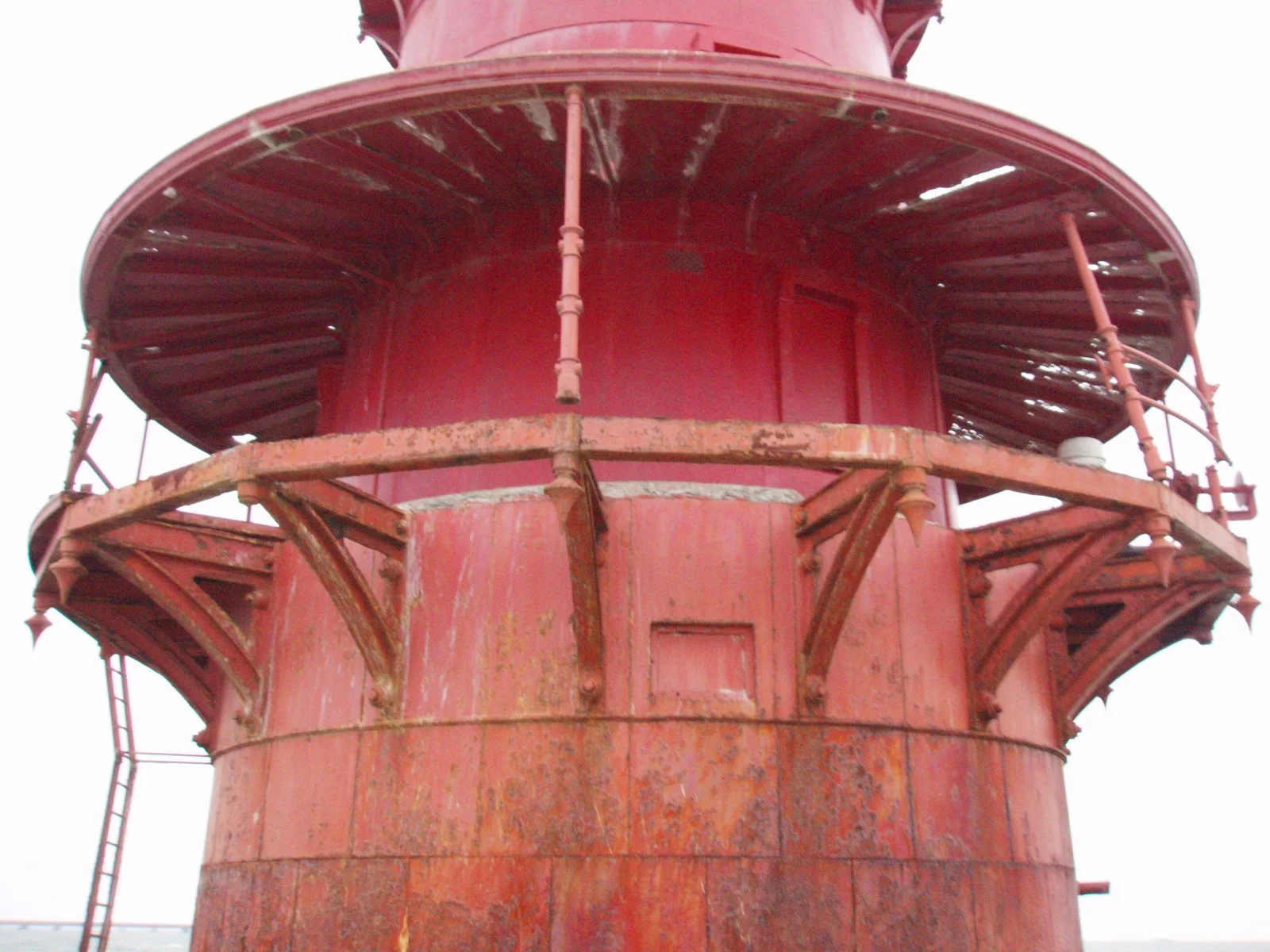
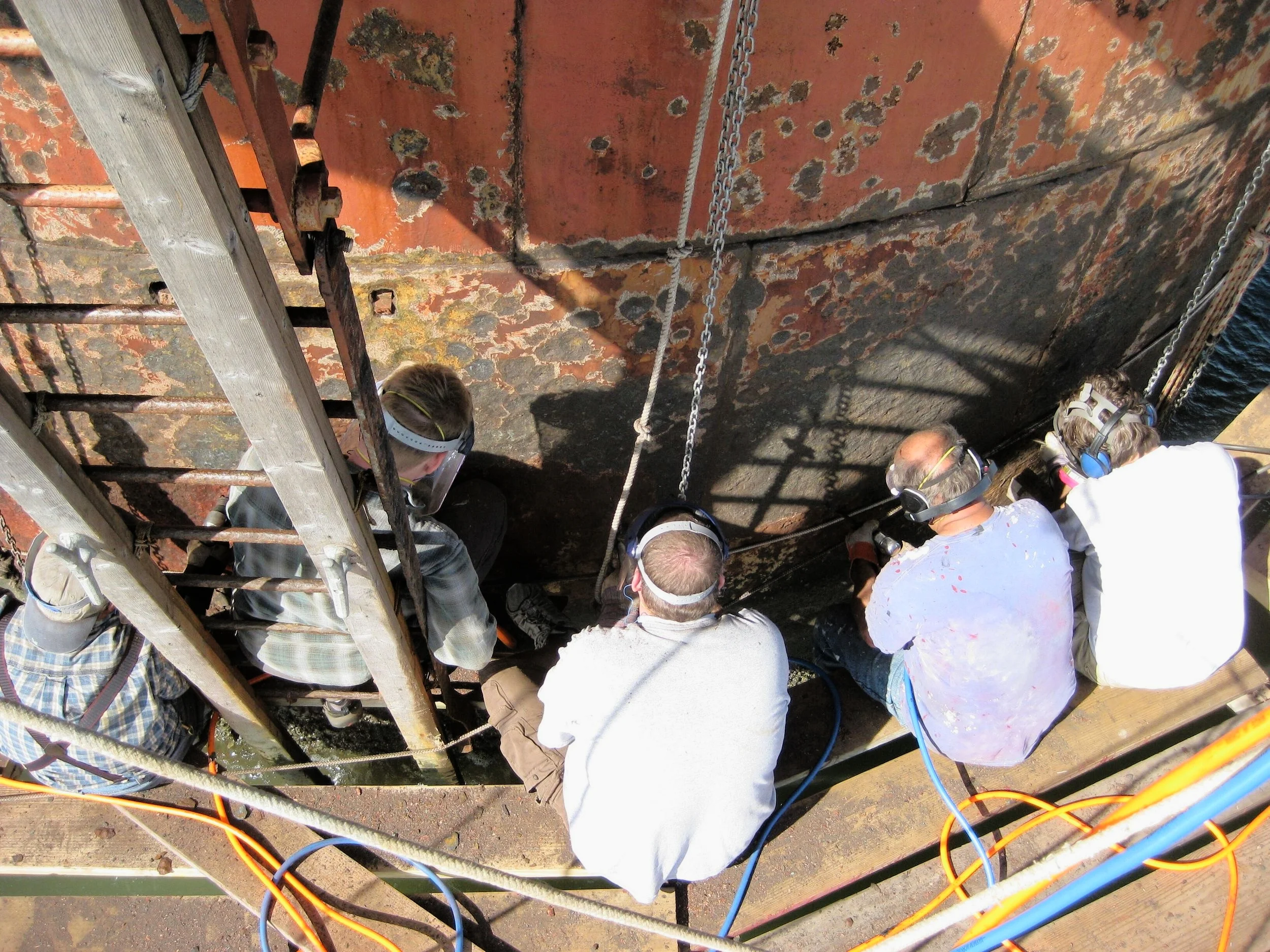
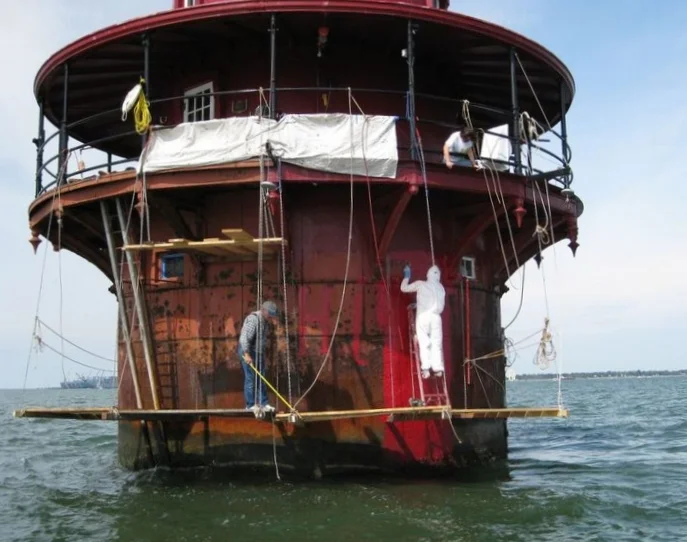
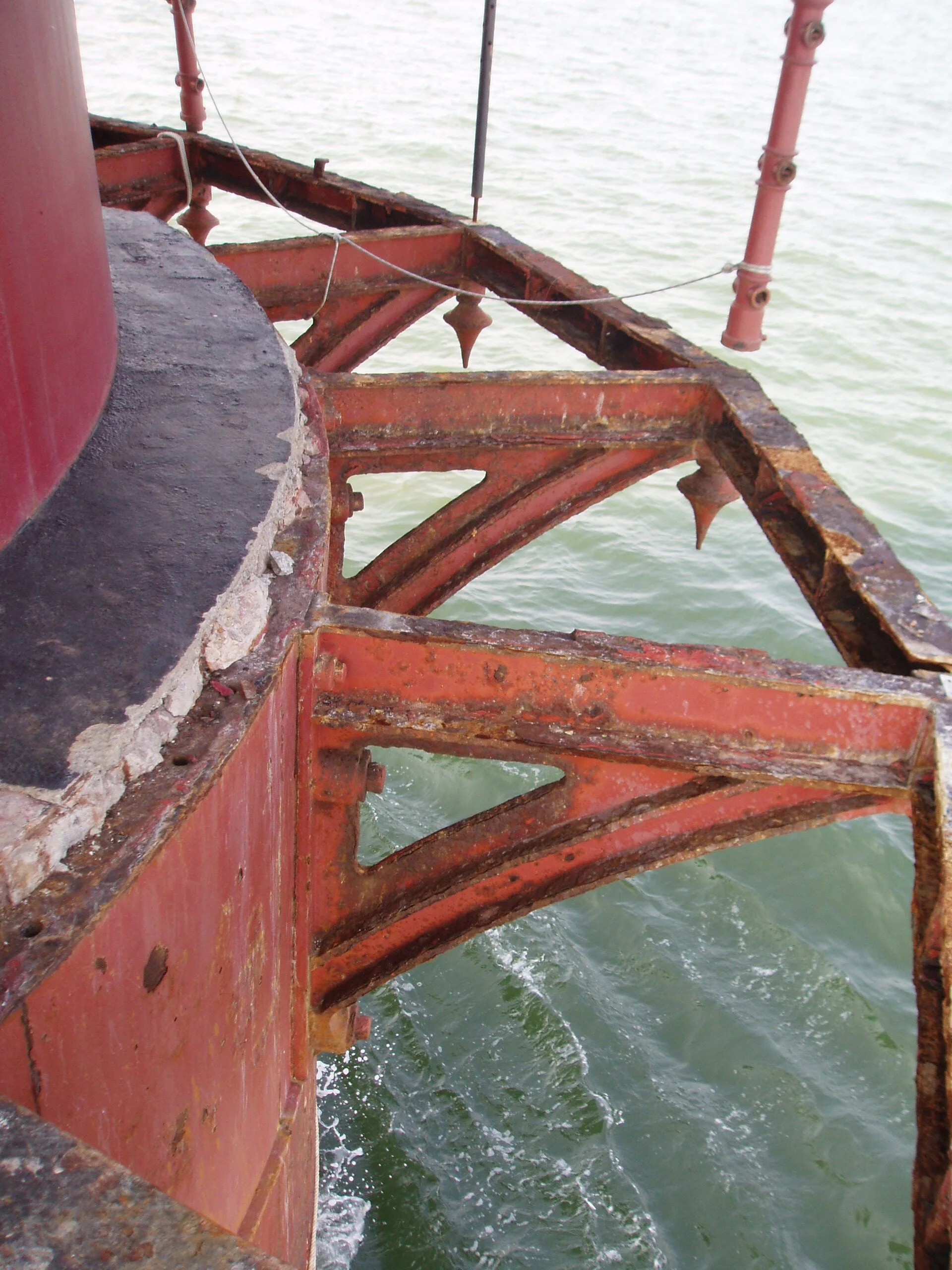
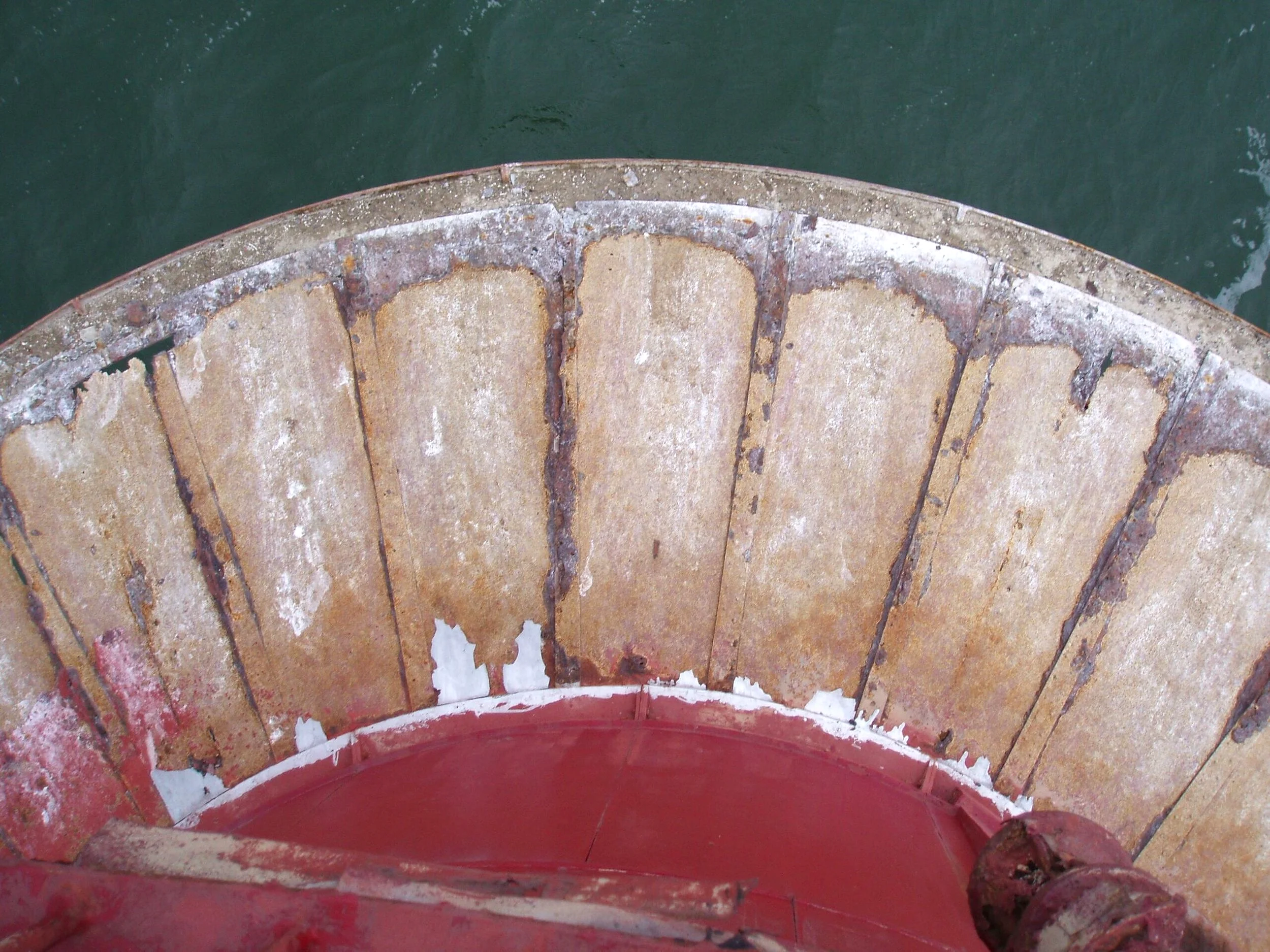
In 1979, the tugboat Capt. Jim struck the southwest side during a storm, damaging the foundation and leaving the distinctive “missing tooth” visible in earlier photographs. Decades of exposure had further worn the structure, with rusted metal, failing paint, compromised decking, and marine growth covering much of the exterior.
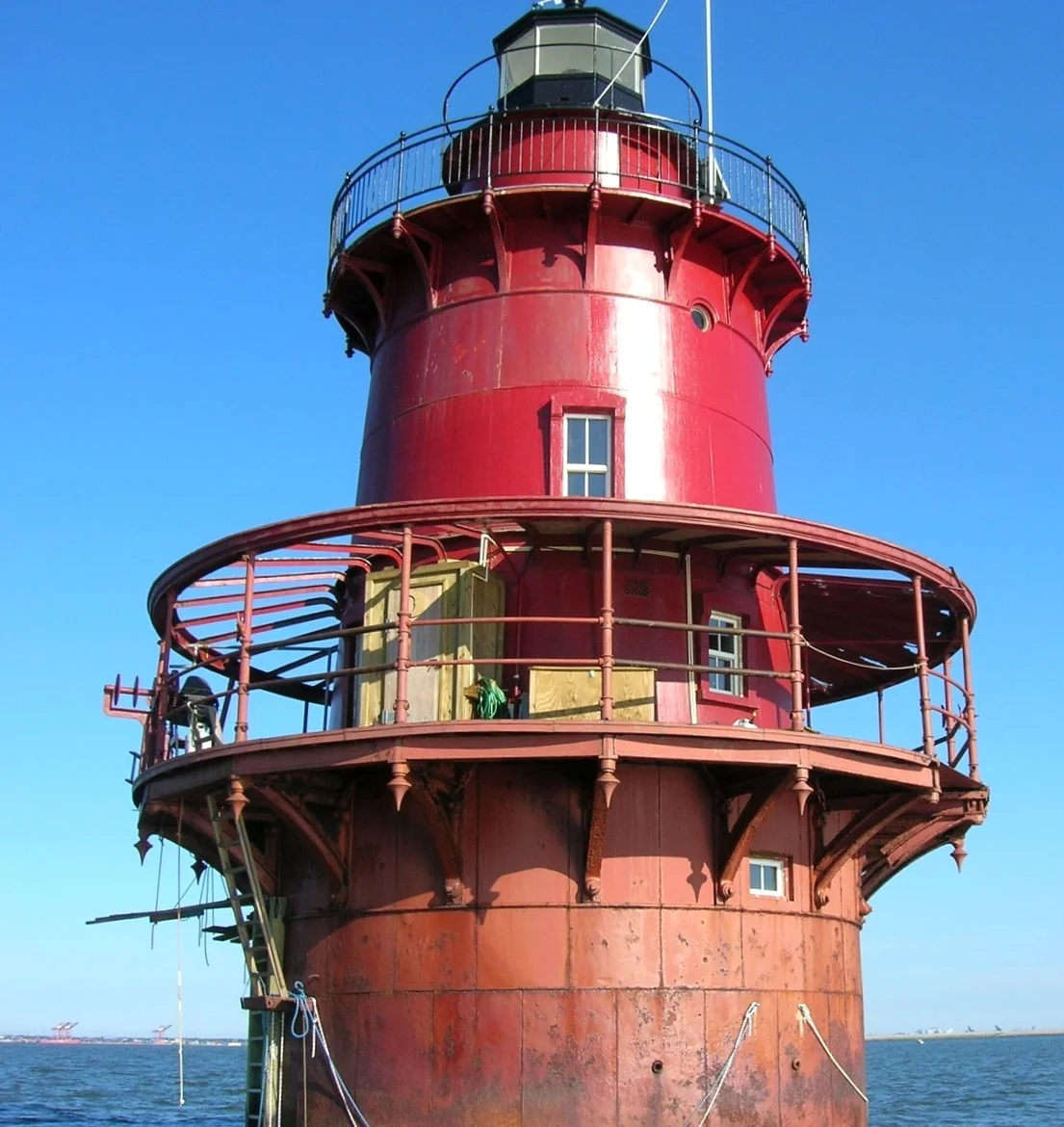
Access was equally challenging. The original ladder had deteriorated to the point that boarding from a boat required a significant and uncertain step.
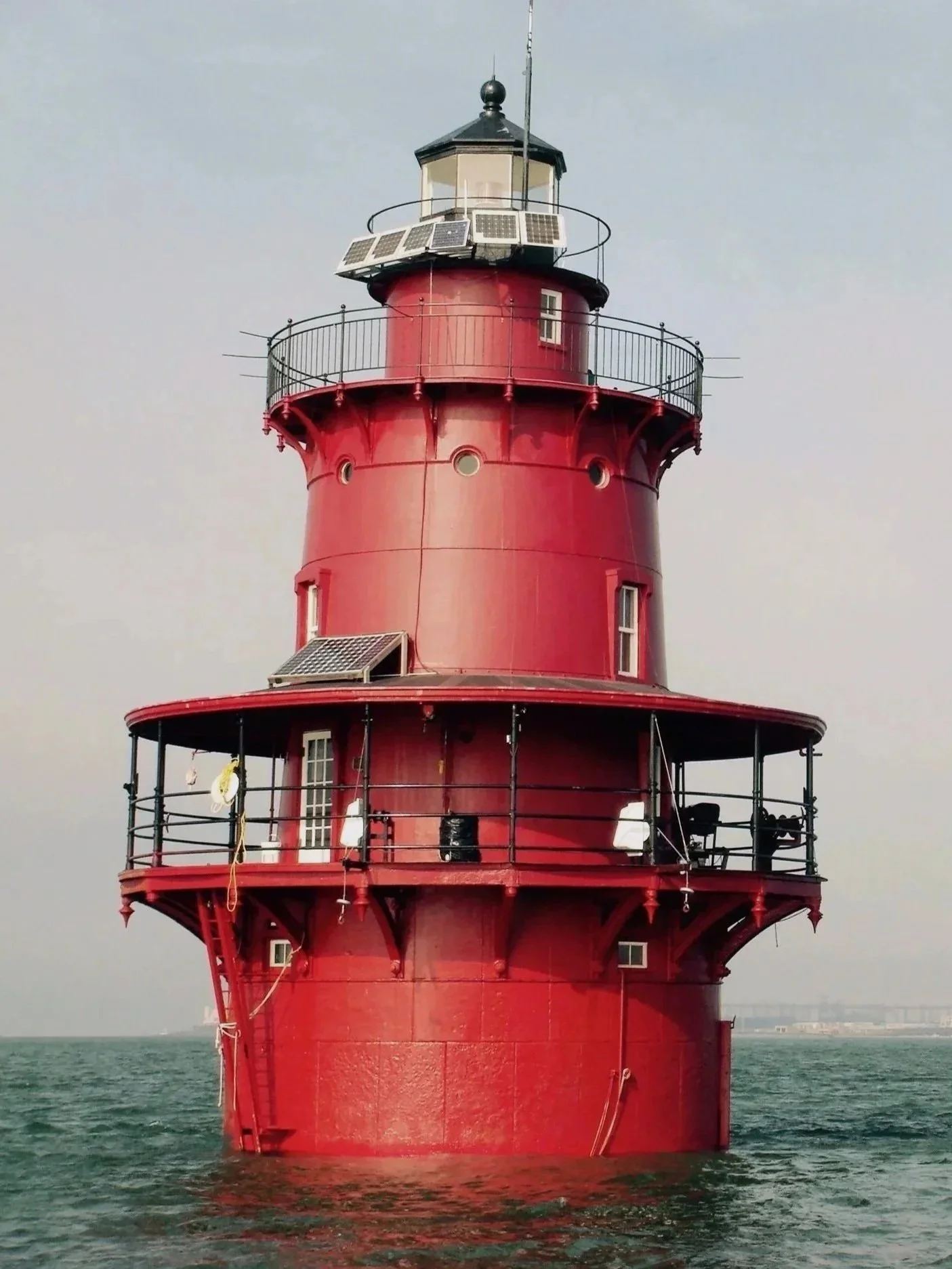
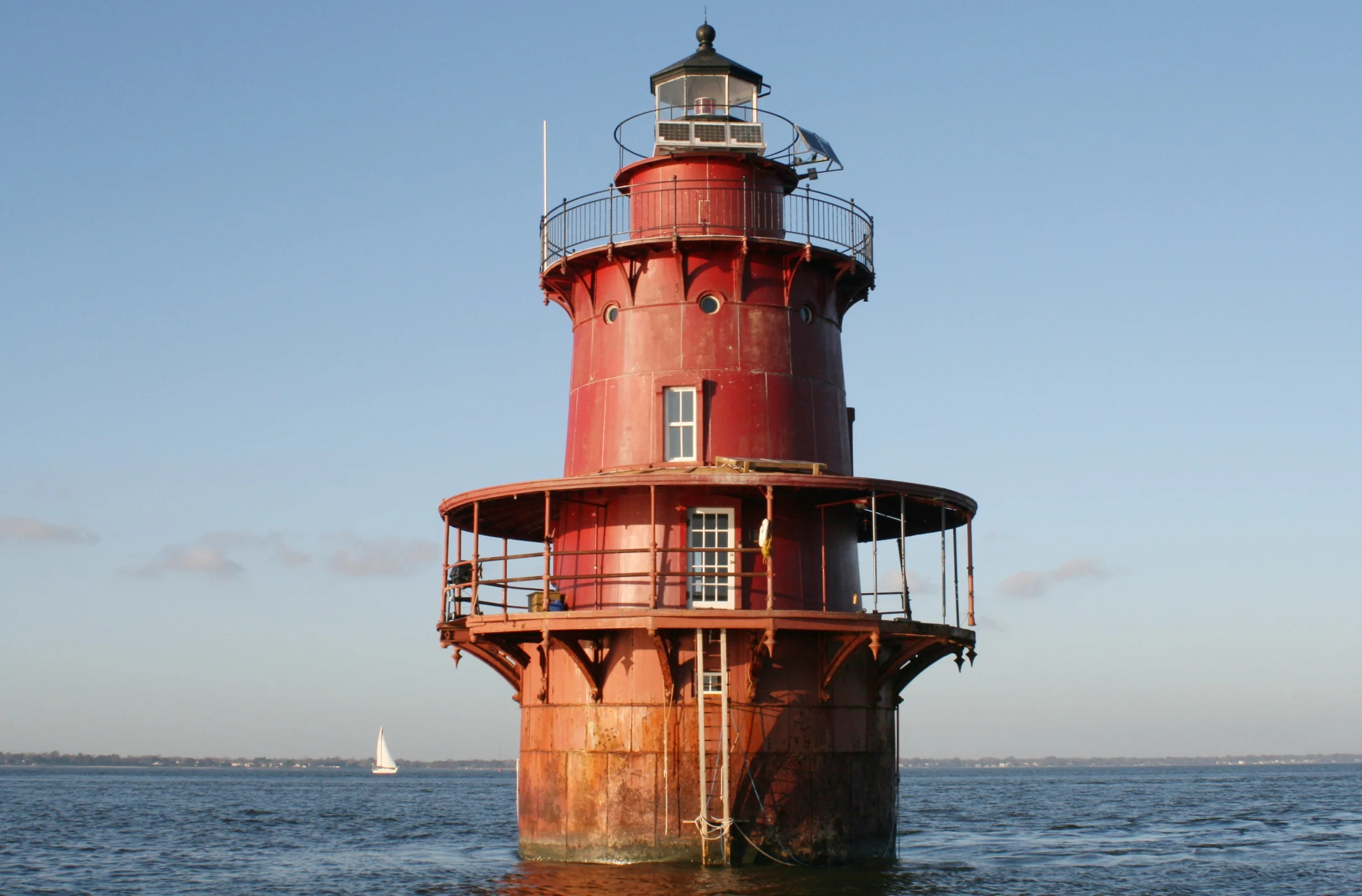
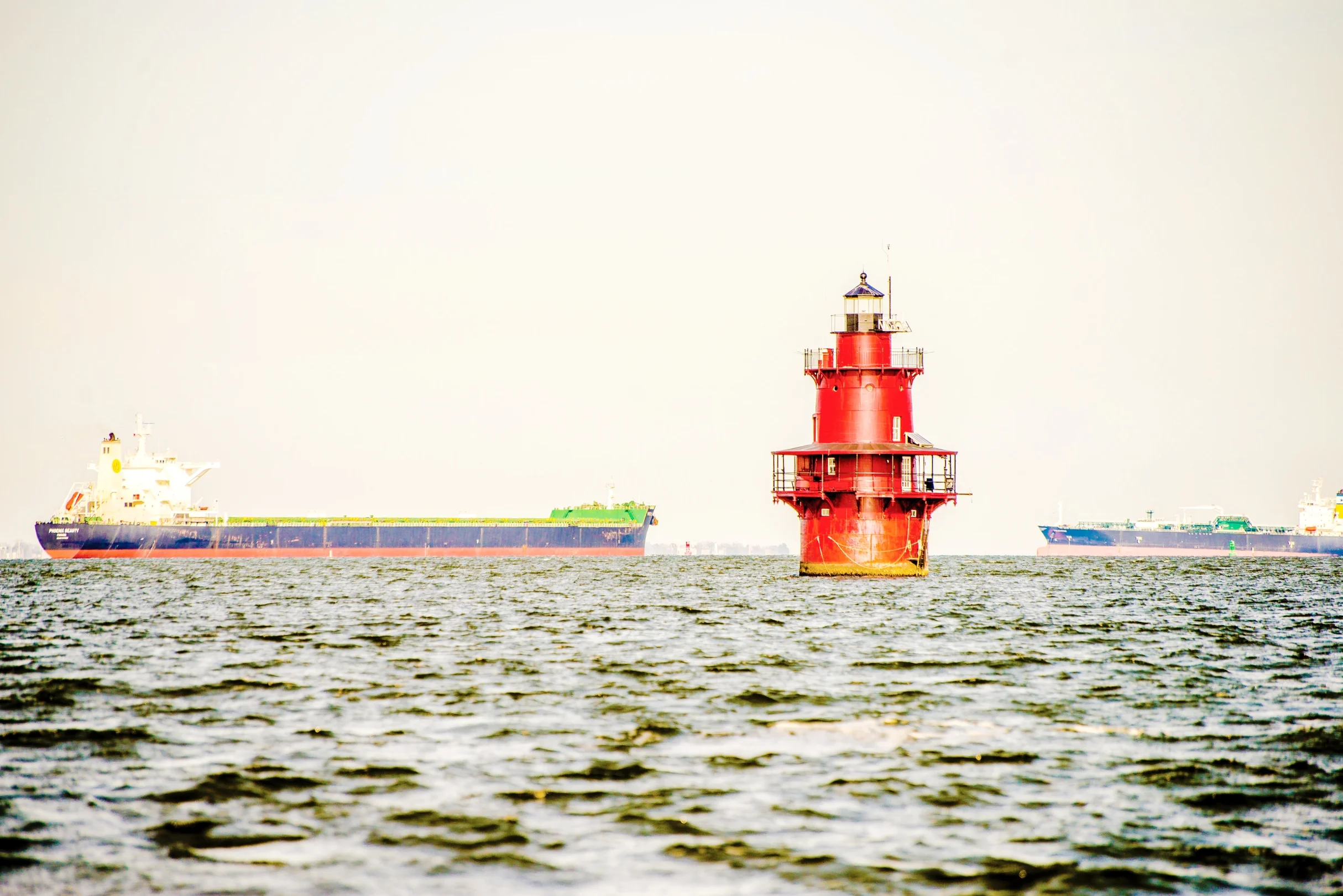
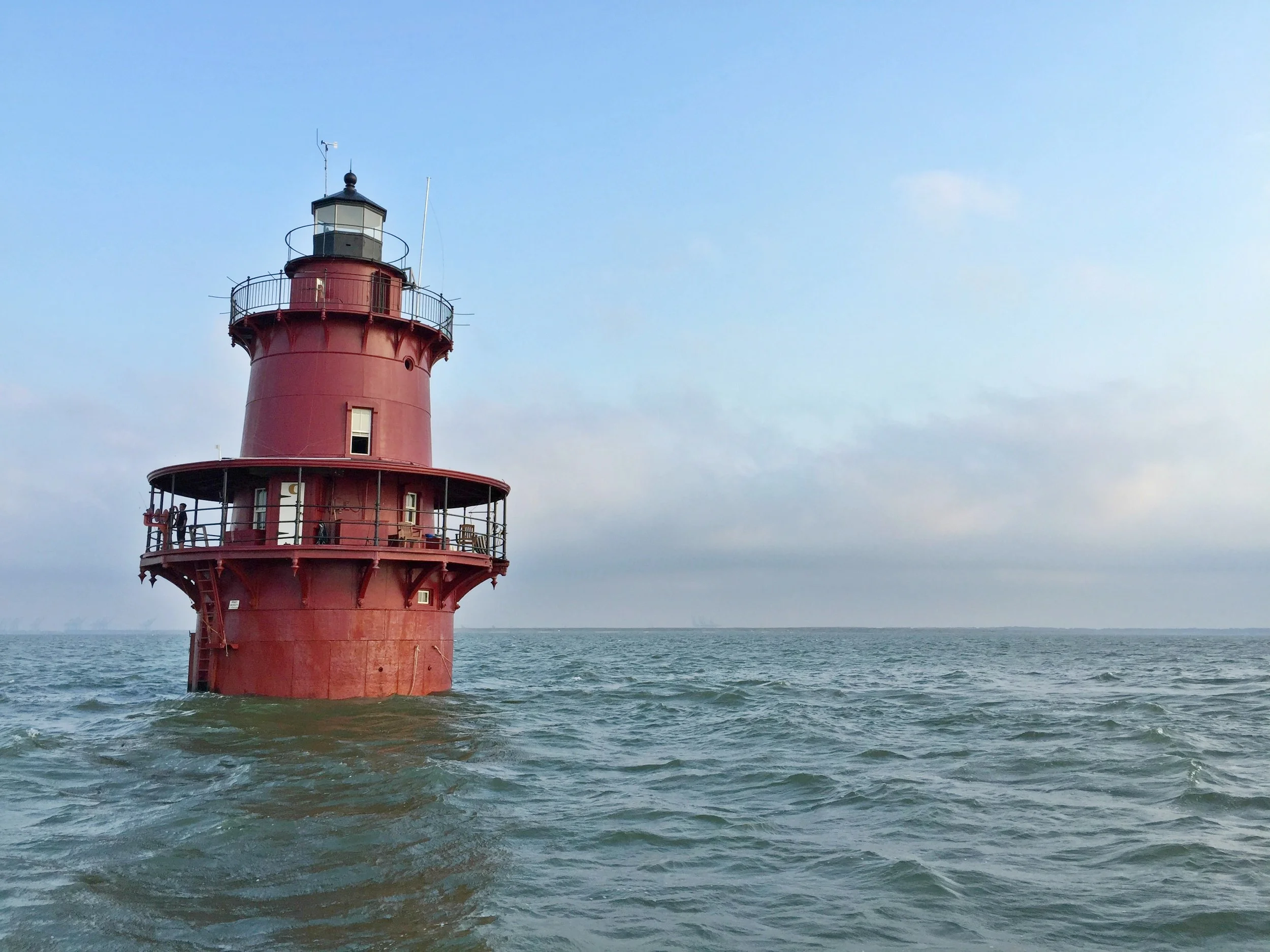
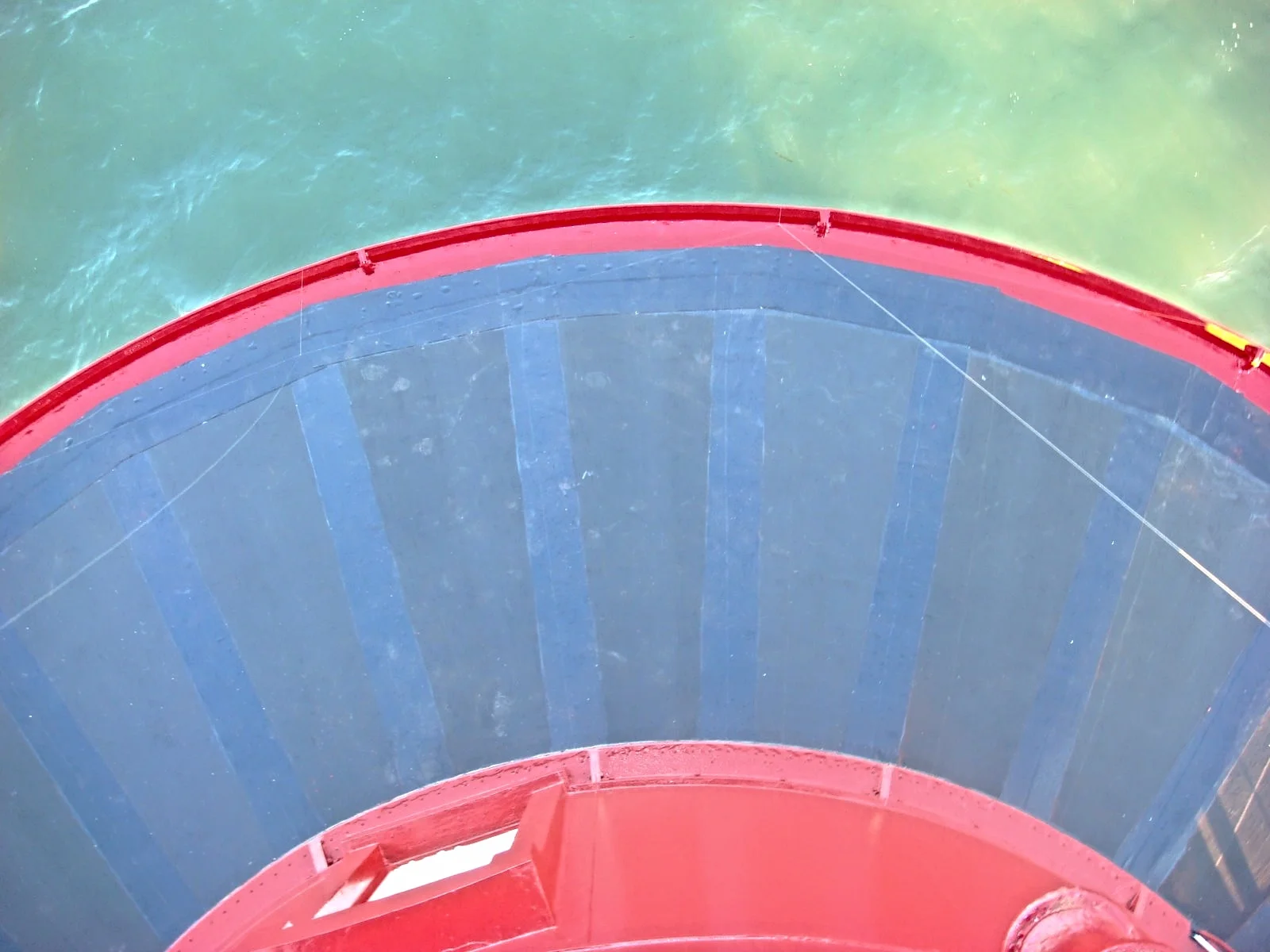
Today, the exterior has been fully restored and repainted in its signature “Shocking Red”. Access has been stabilized with a secure ladder, landing platform, and protective systems designed for safer entry in open water conditions.
LANTERN ROOM
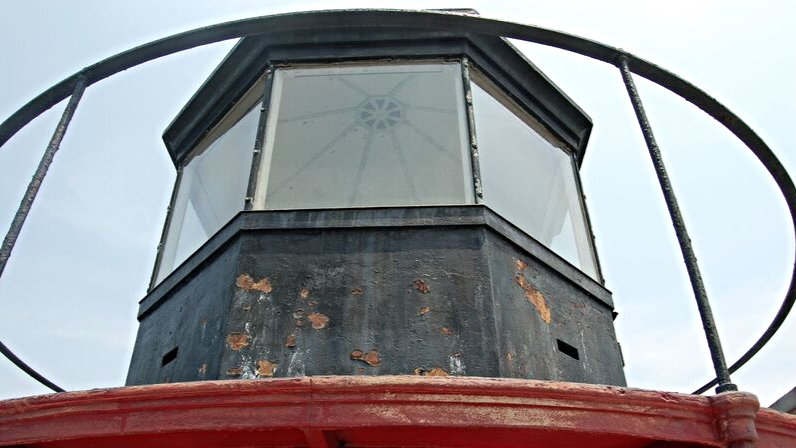
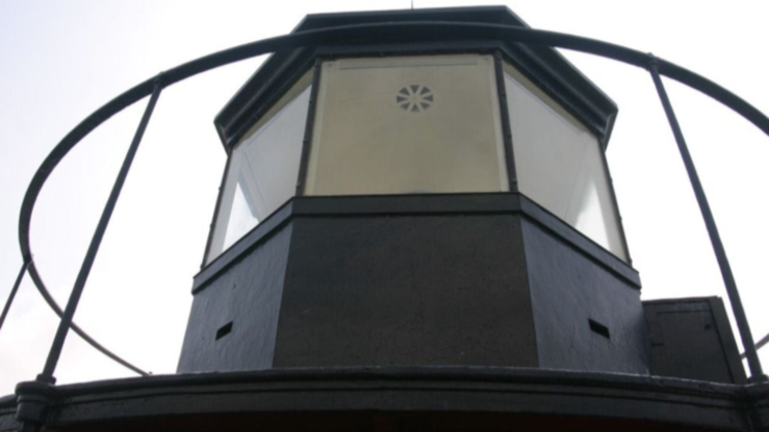
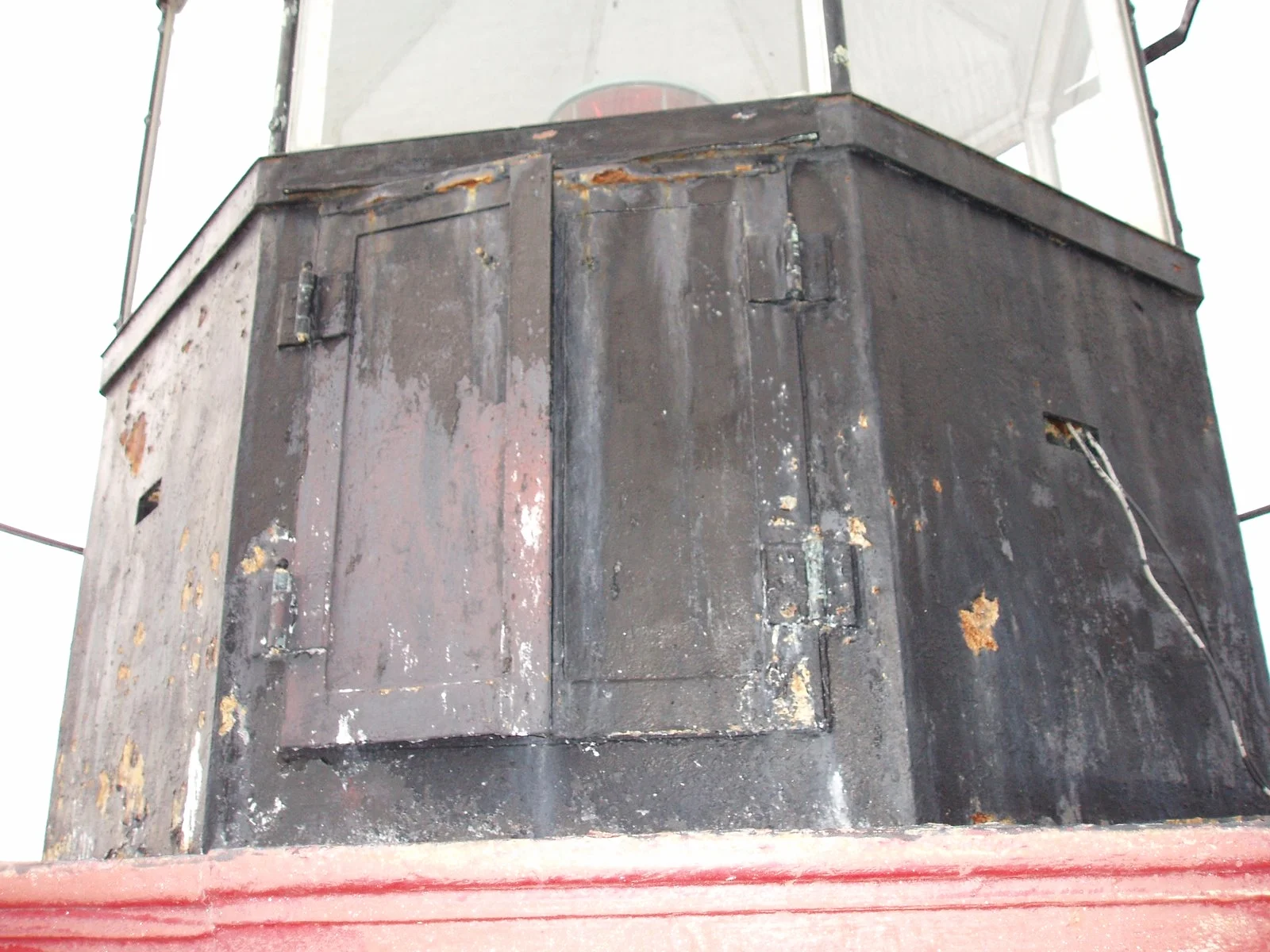
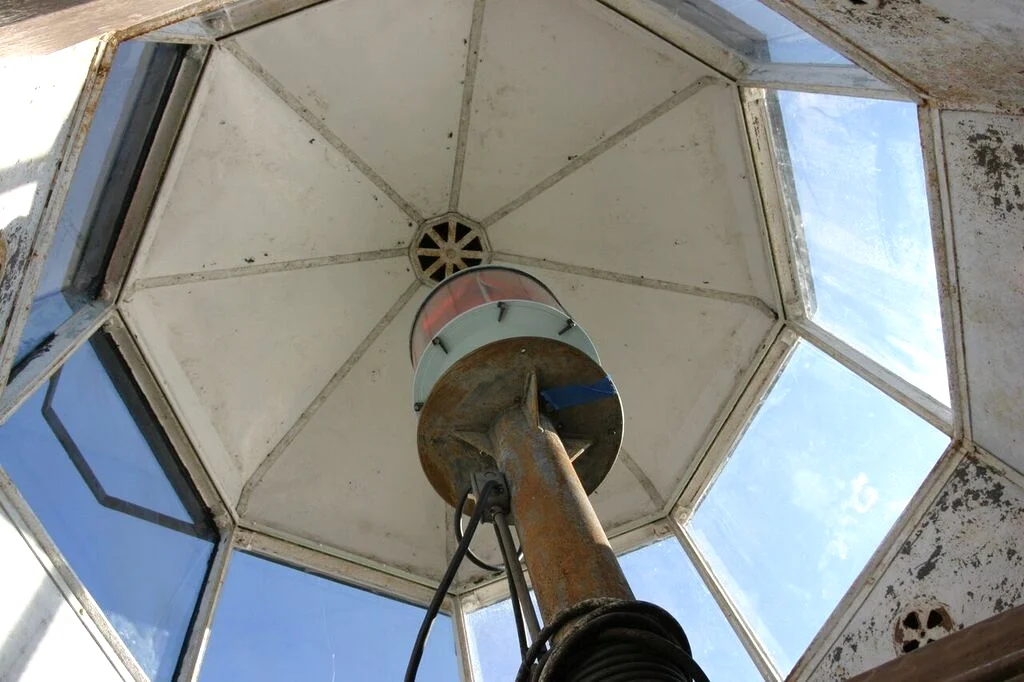
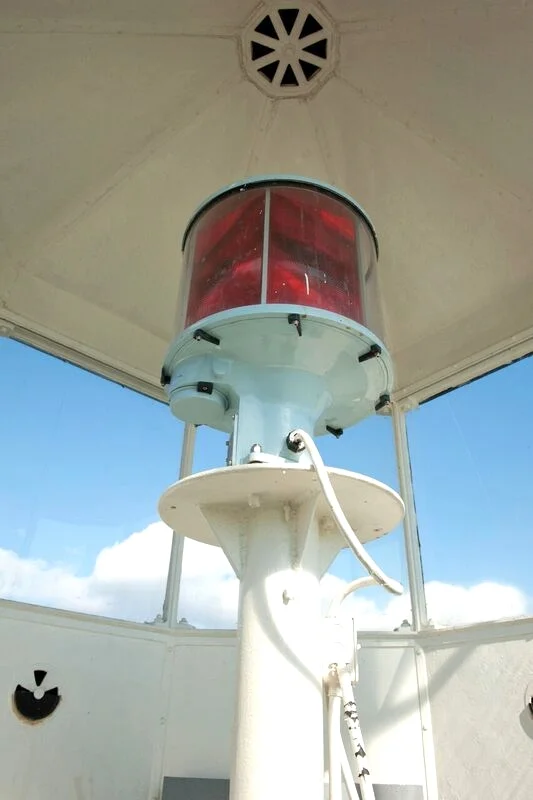
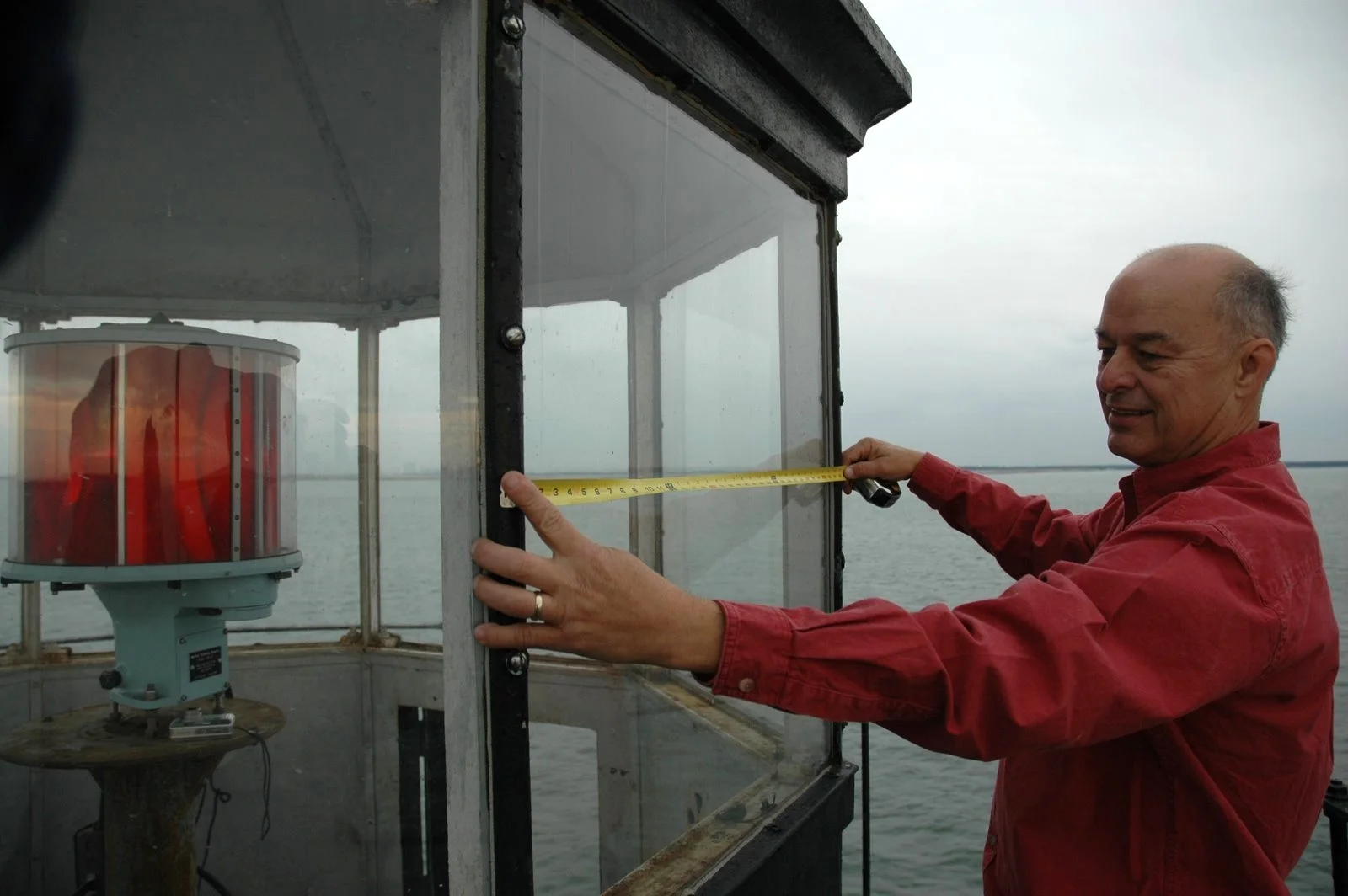
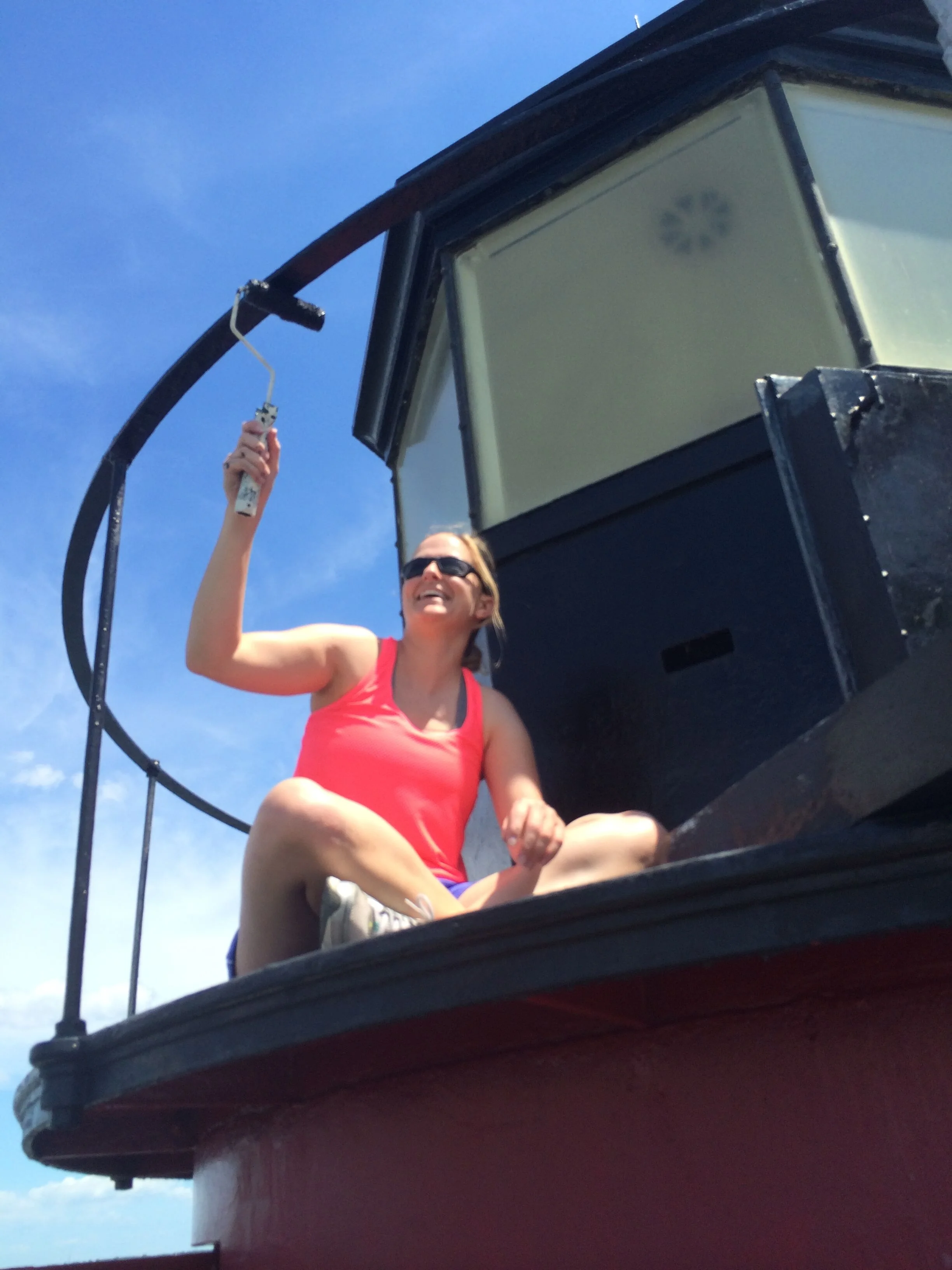
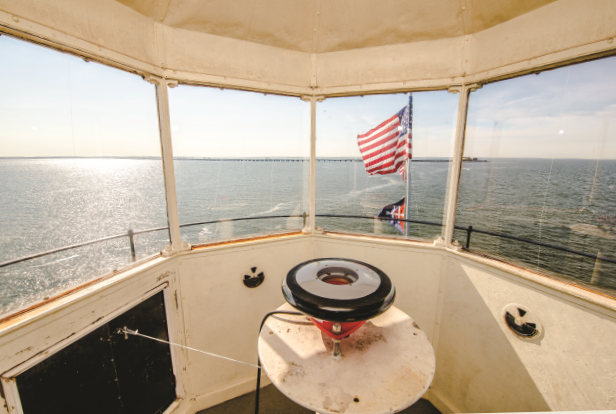
At the top of the lighthouse, approximately 51 feet above the water and 55 steps from the cellar, the lantern room continues to serve its original purpose. The red beacon remains active, guiding vessels through Hampton Roads.
Originally powered by whale oil and later modernized, the system now operates with a Fresnel lens and photosensitive controls that activate the light at dusk, maintaining its role as a functional navigational aid.
WATCH ROOM
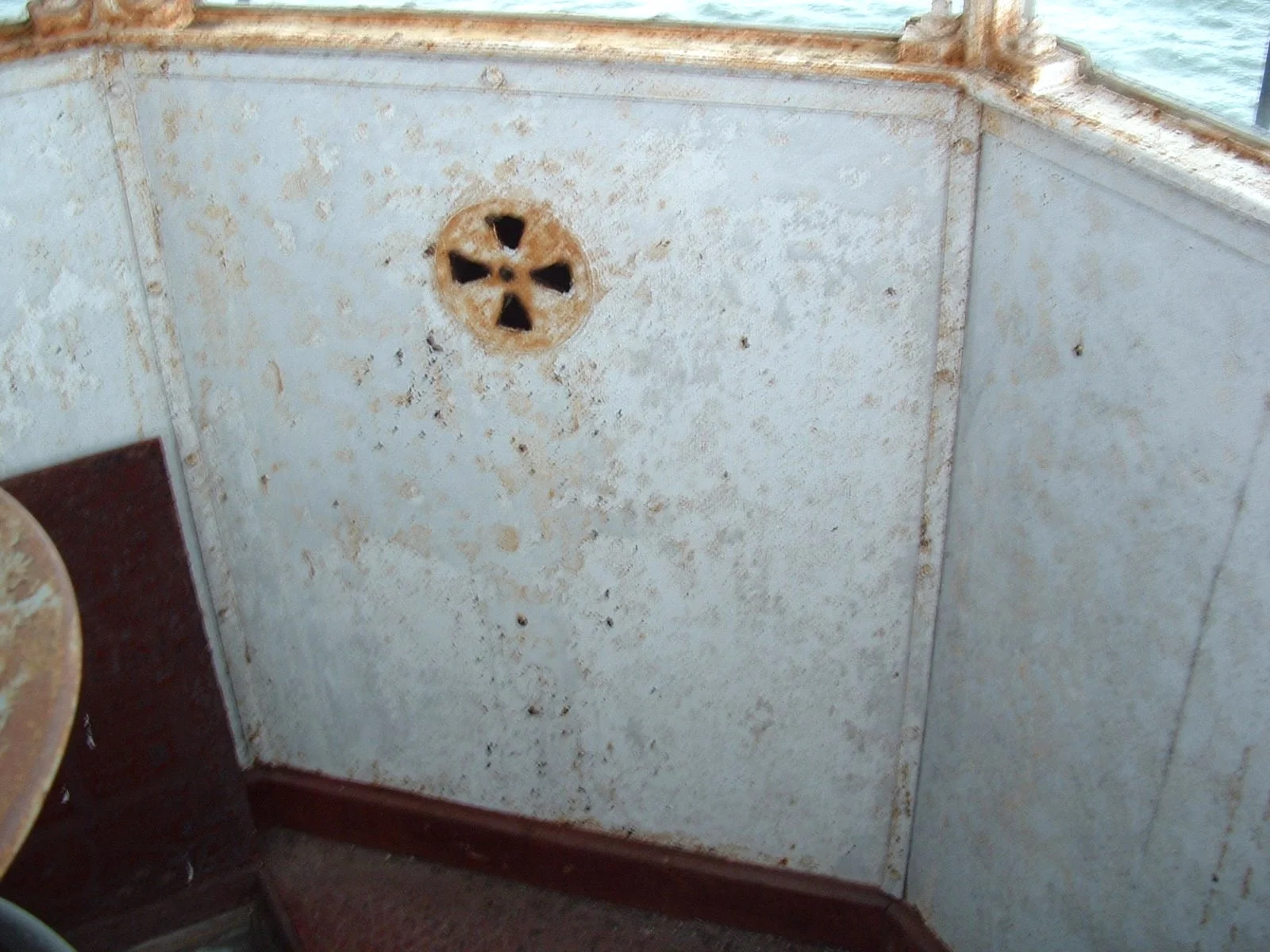
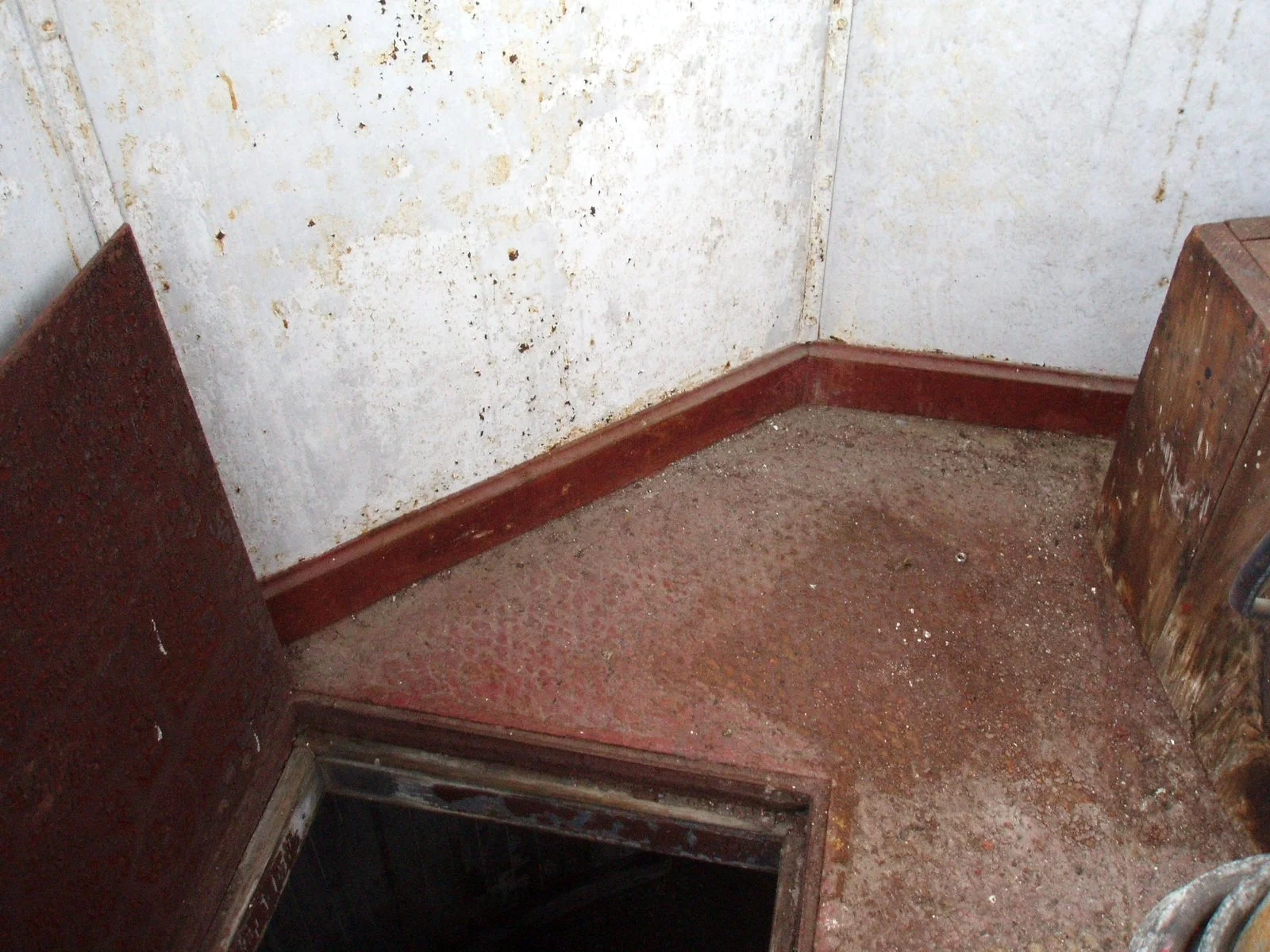
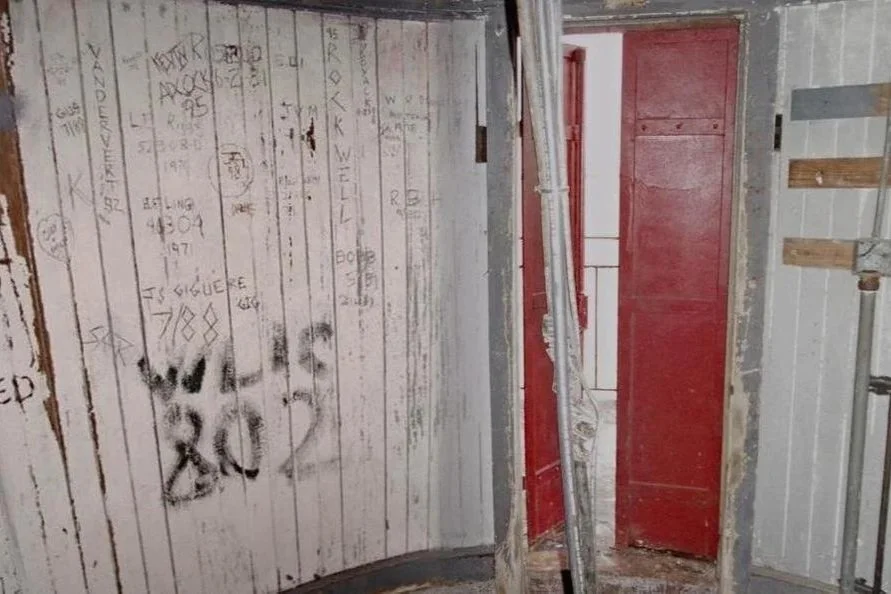
Prior to restoration, the watch room had been left exposed for years. A jammed iron door allowed rain and seabirds unrestricted access, and the space had effectively become a nesting site.
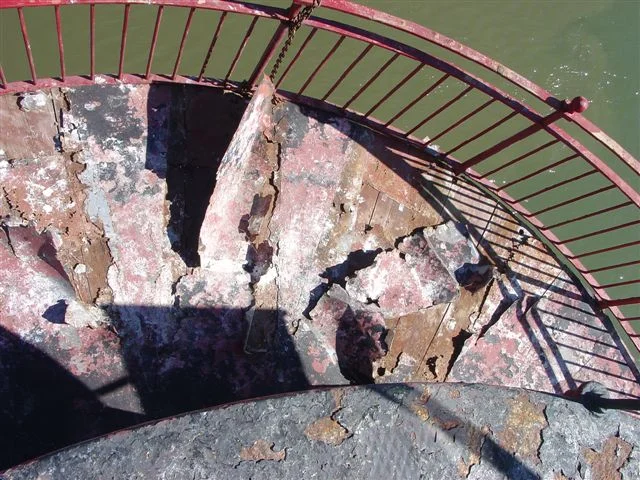
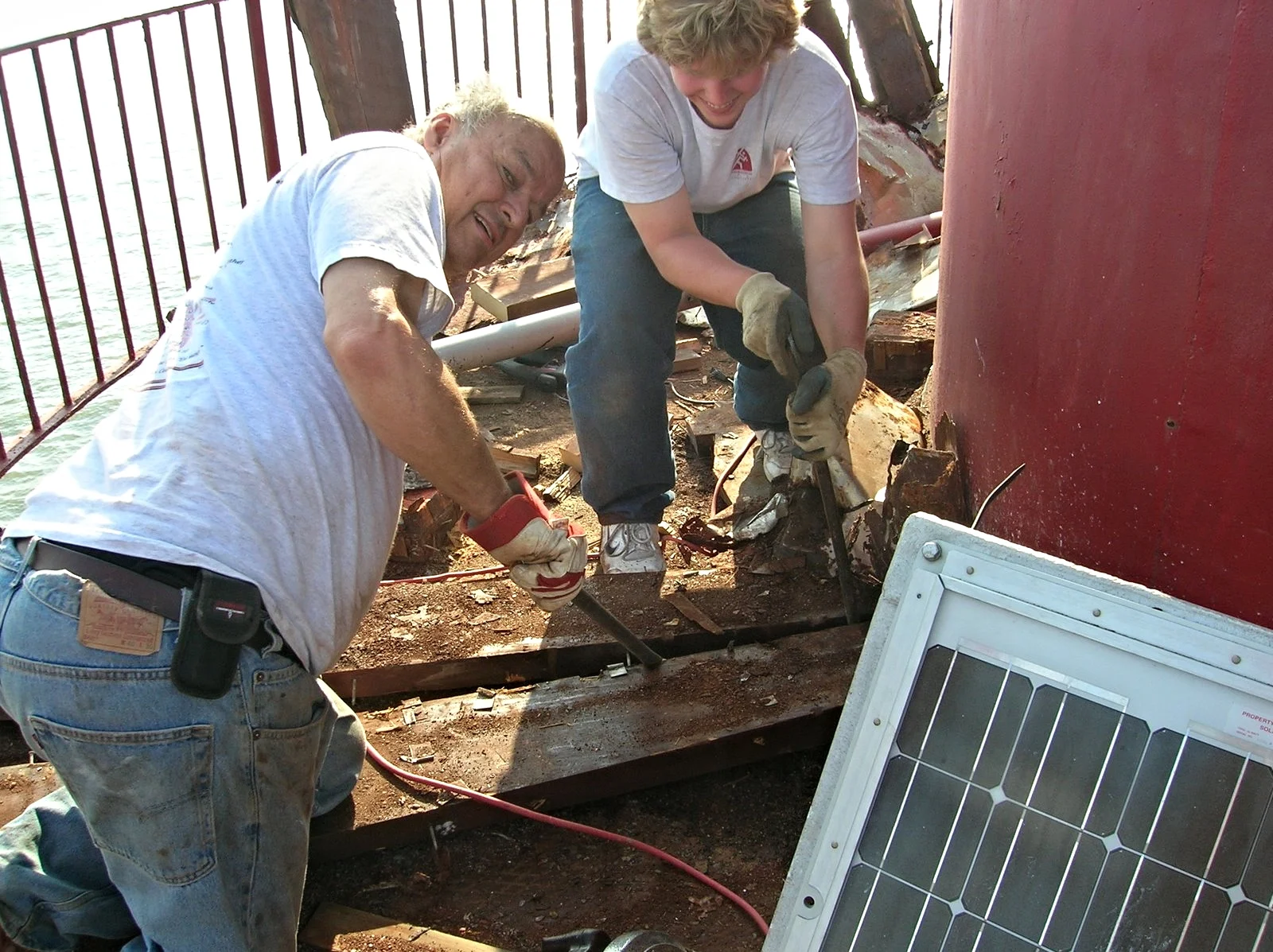
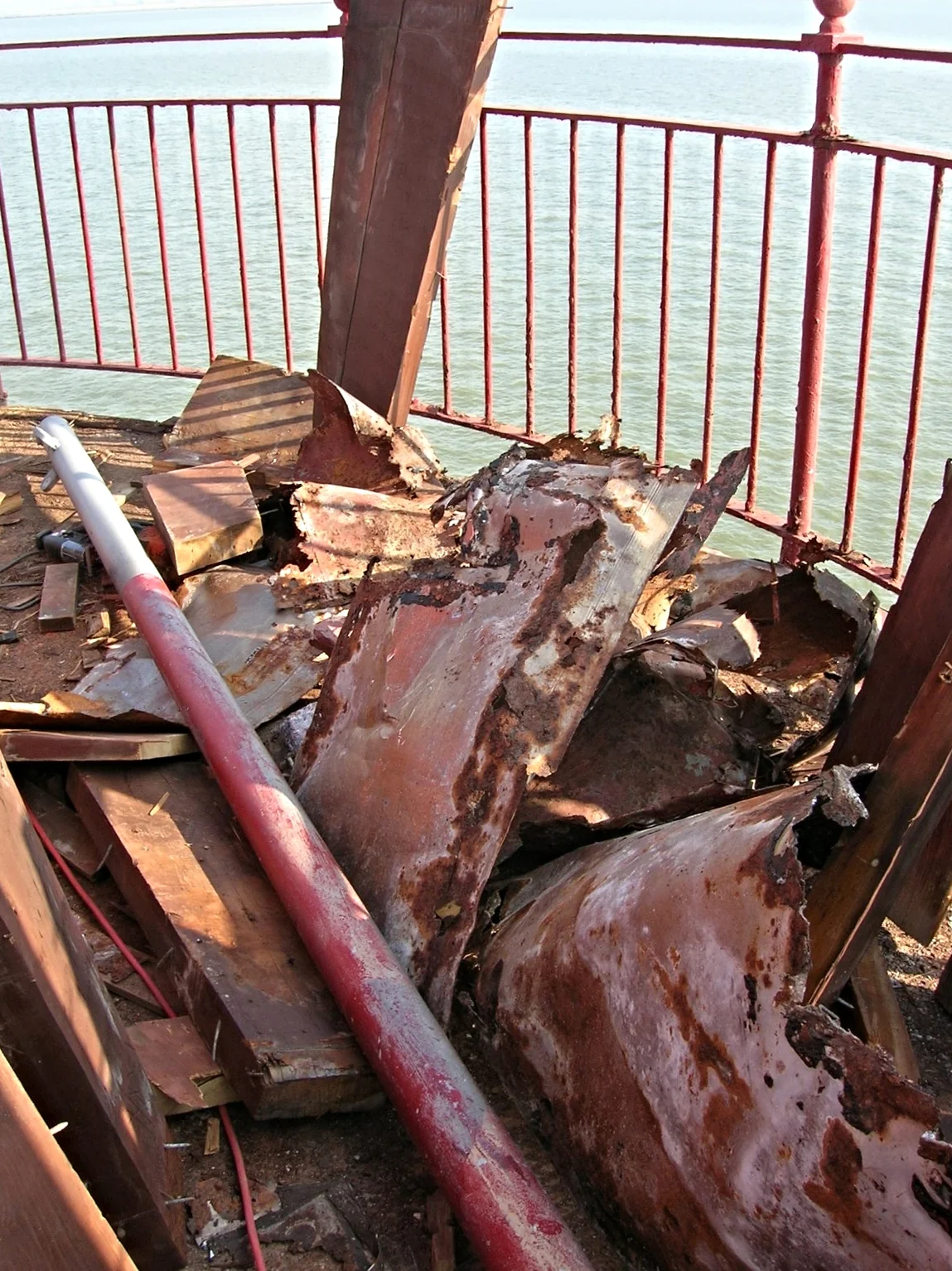
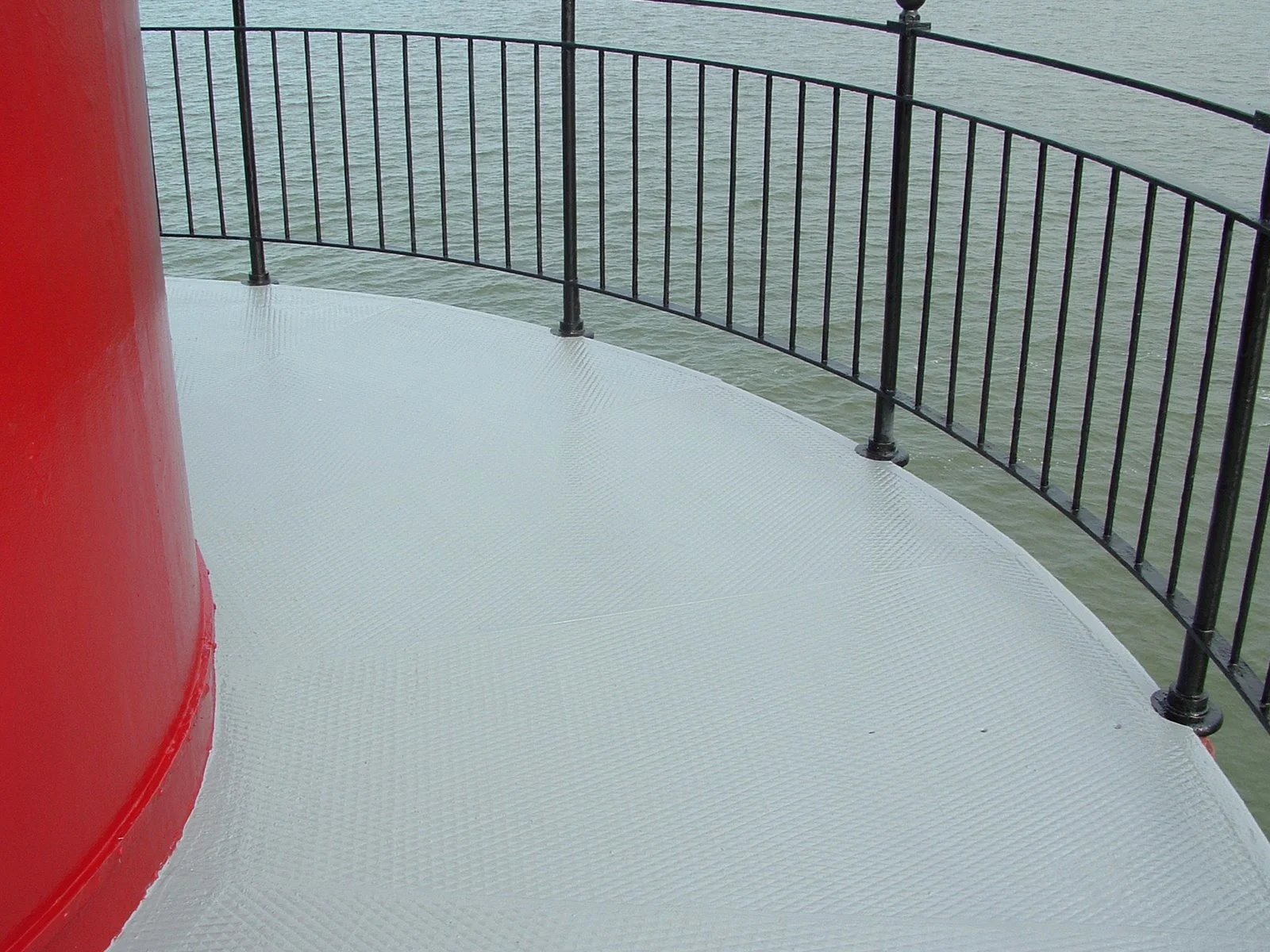
The balcony deck was also in poor condition and was considered unsafe during the initial auction tour. Once the deteriorated surface was removed, however, the underlying structure proved more intact than expected.
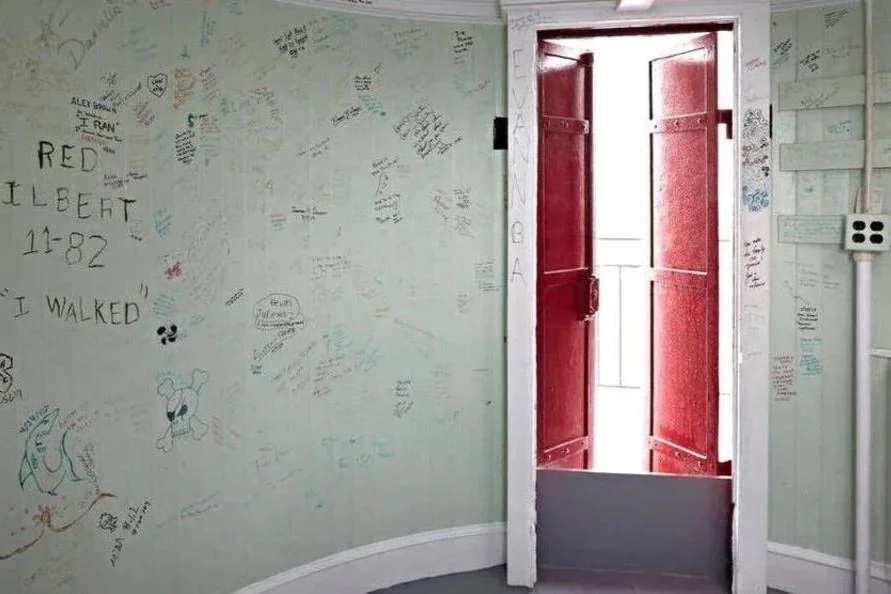
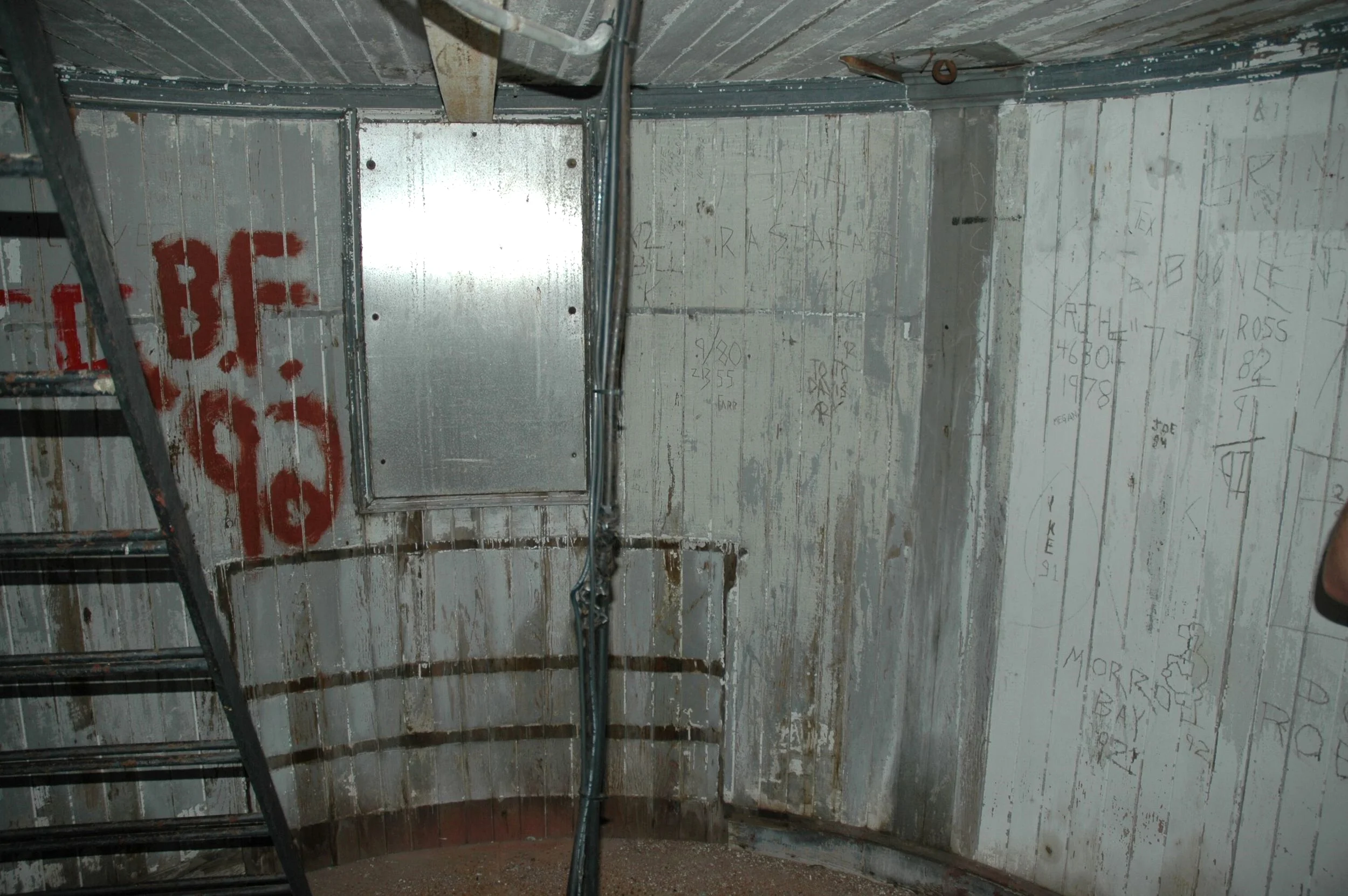
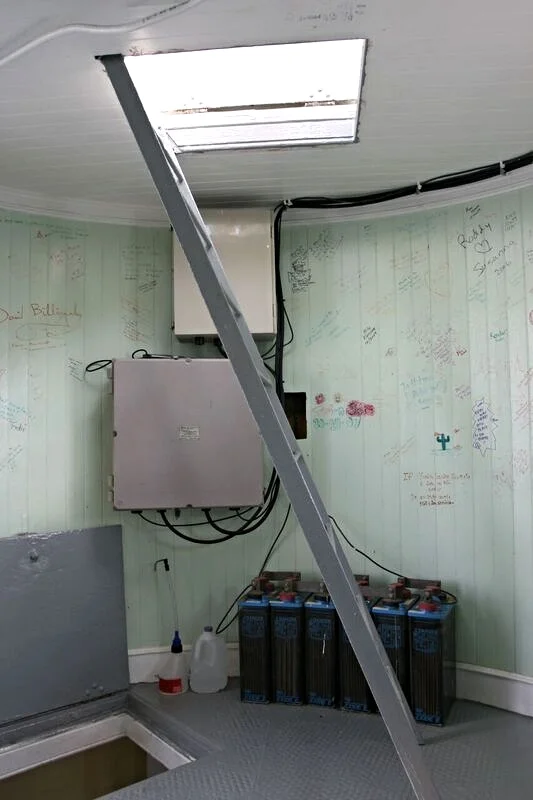
Today, the balcony has been fully restored and offers unobstructed views across the harbor. The watch room itself retains traces of its history, including inscriptions left by visitors who have made the climb. One reads:
“When I heard you bought a lighthouse, I thought you were crazy. Now that I’ve seen it… I still think you’re crazy!”
PORTHOLE ROOM
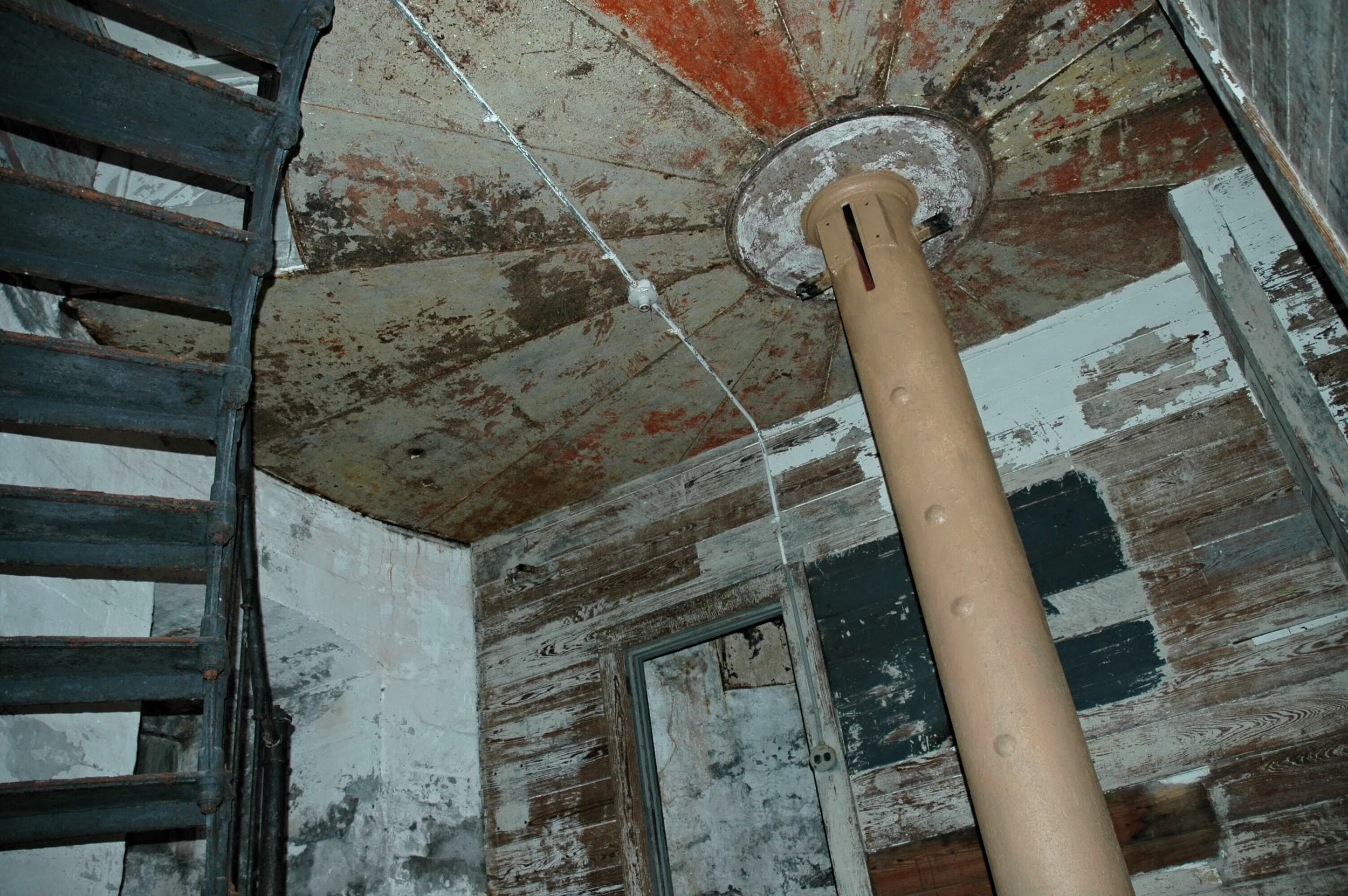
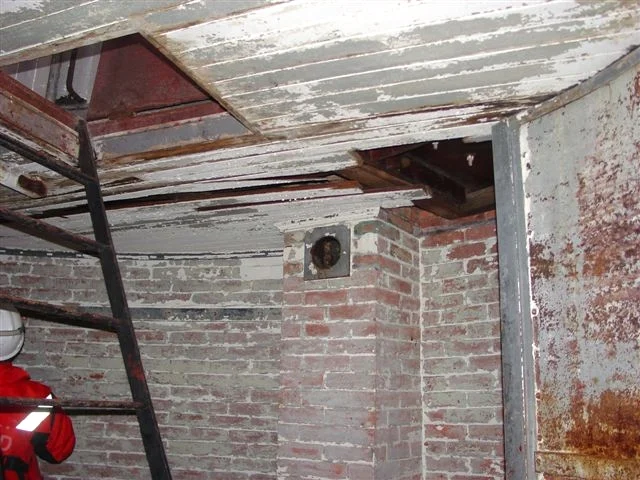
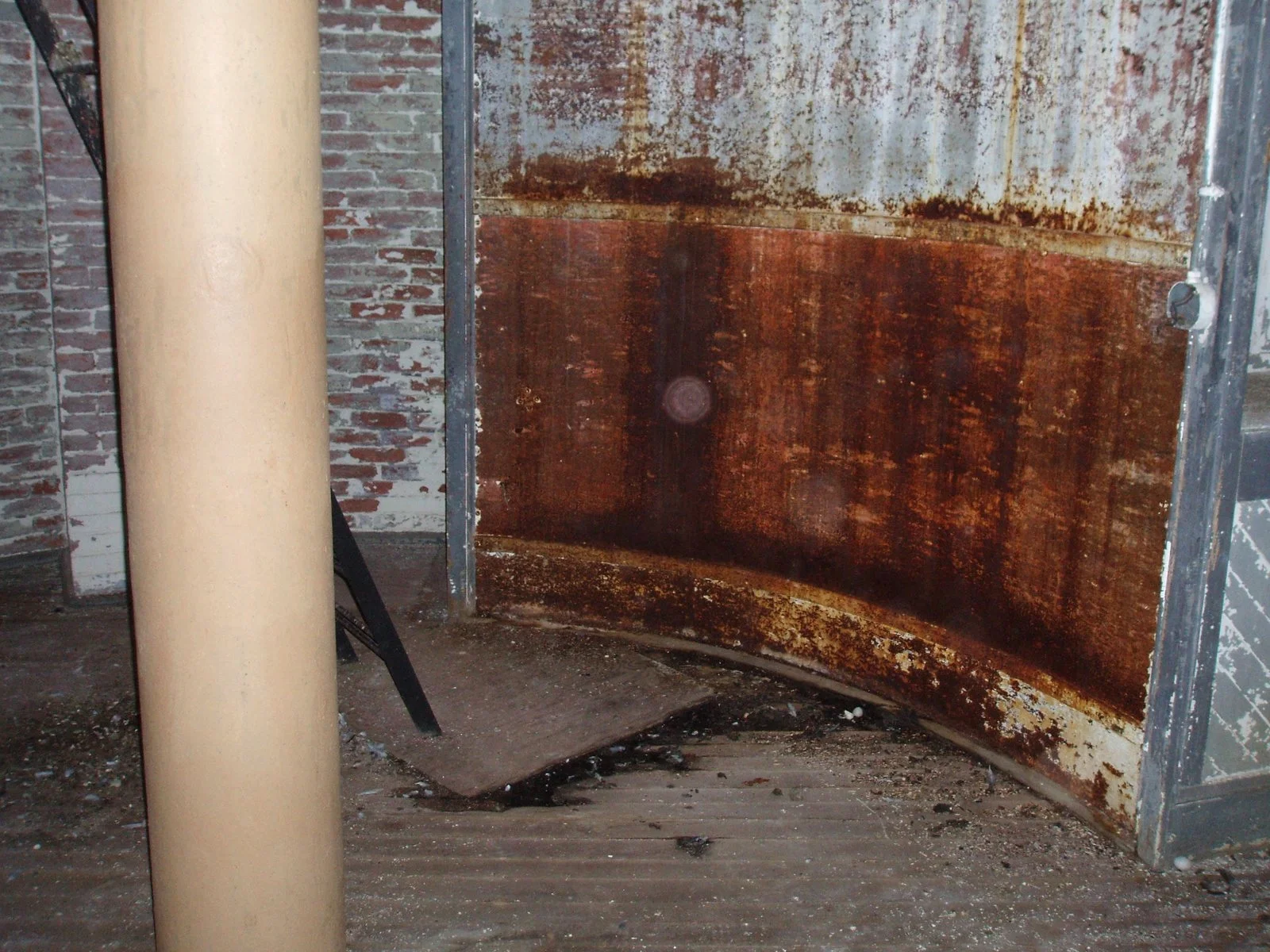
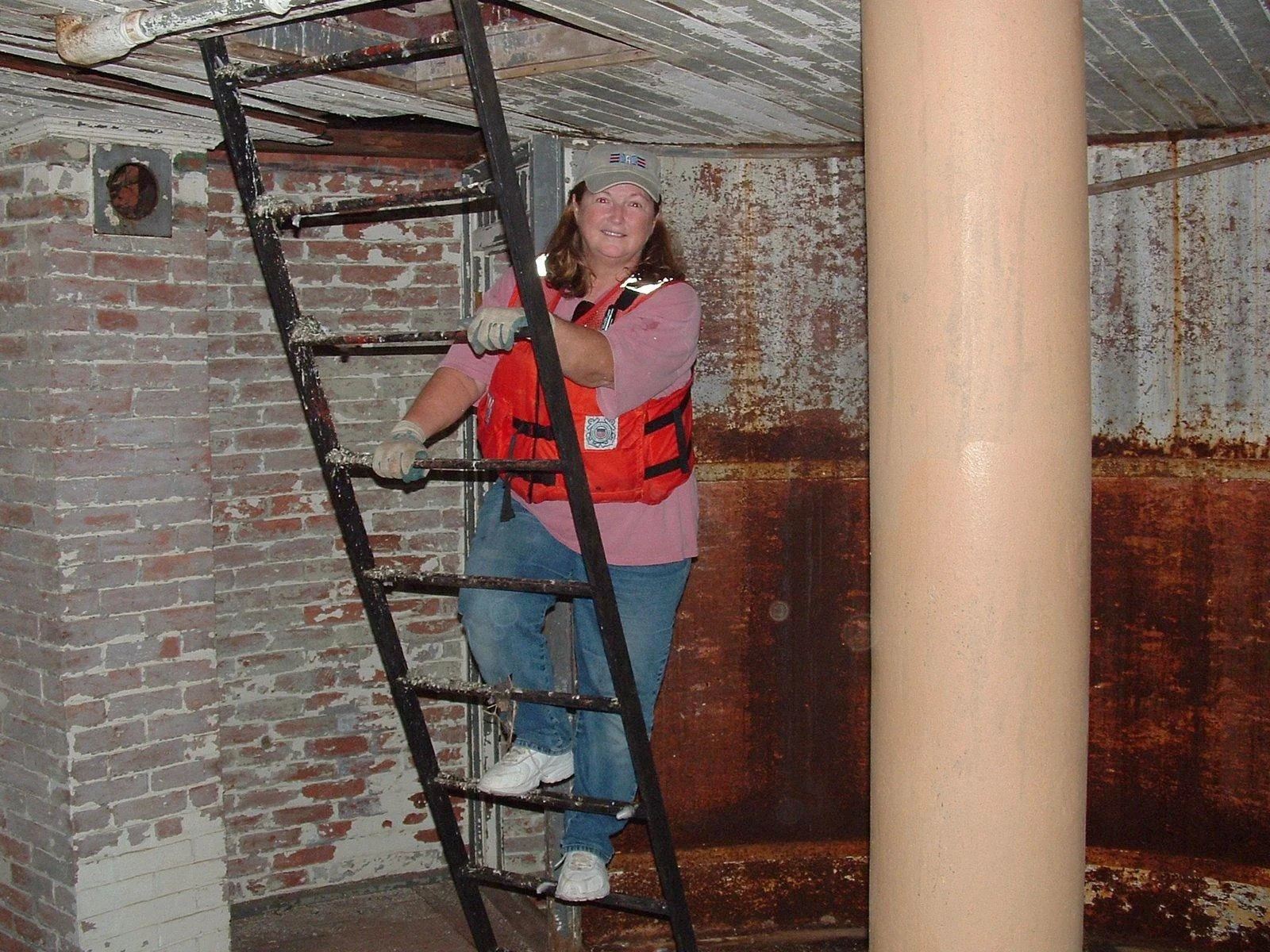
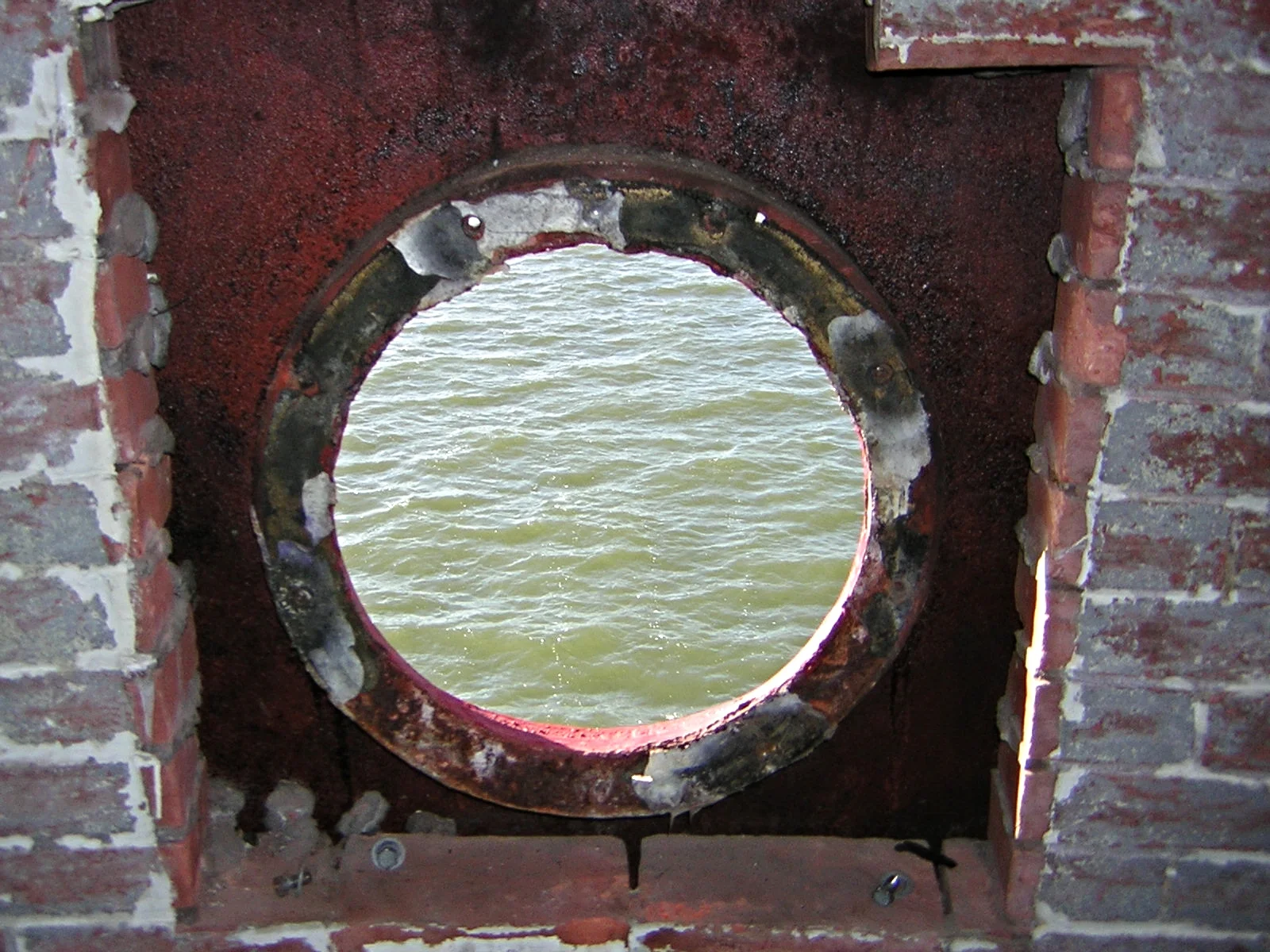
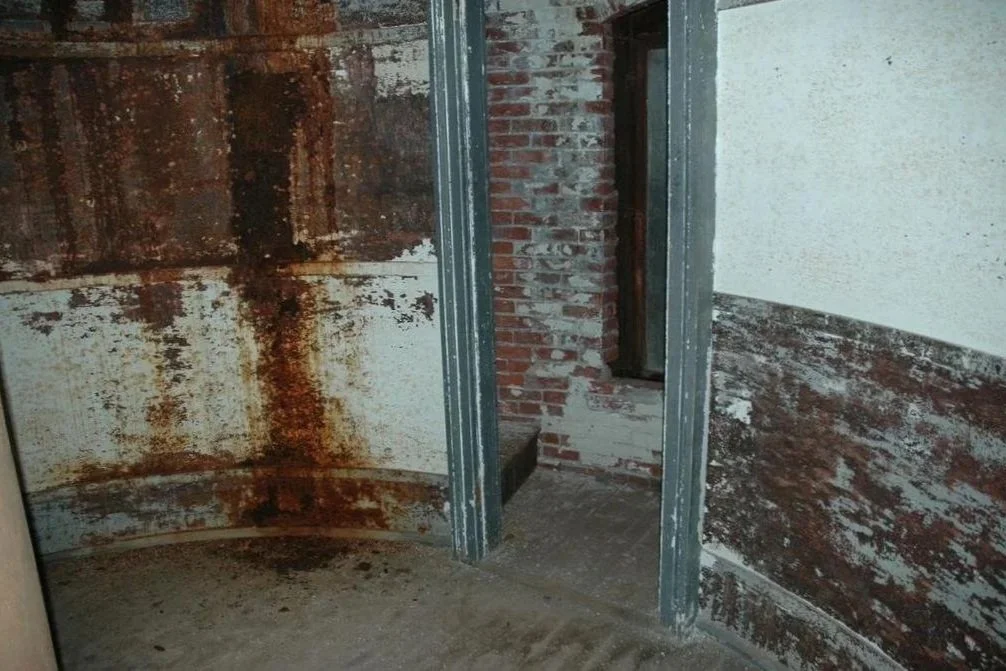
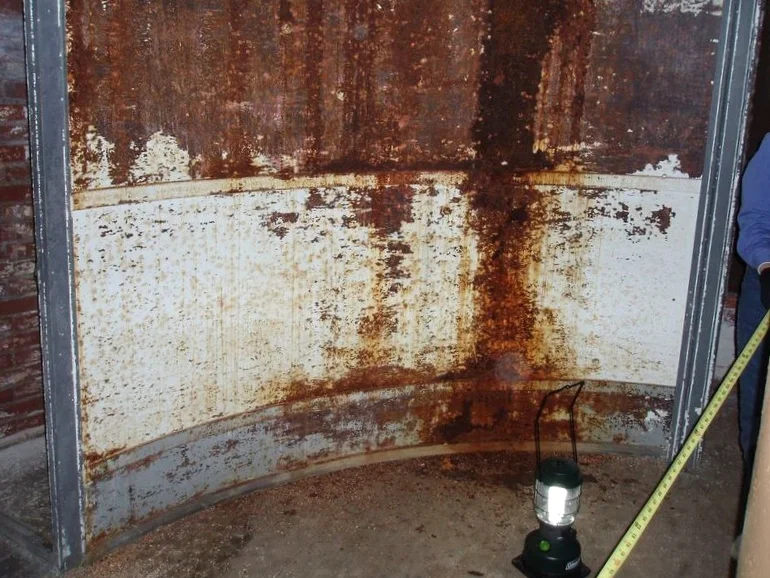
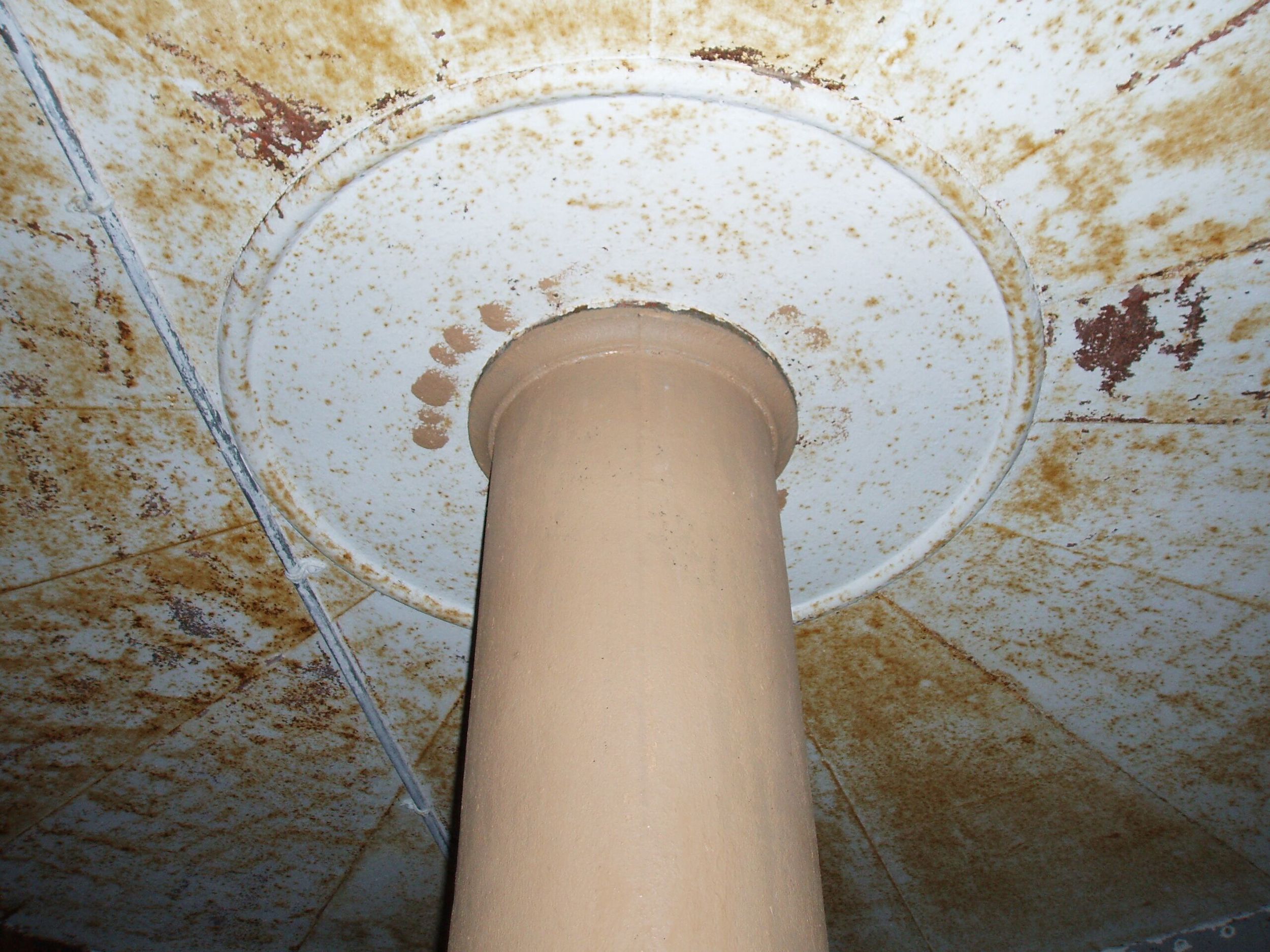
The porthole room was among the most heavily damaged interior spaces. Years of neglect had left the space heavily damaged, with debris and buildup throughout, including bird droppings hanging from the ladder like stalactites.
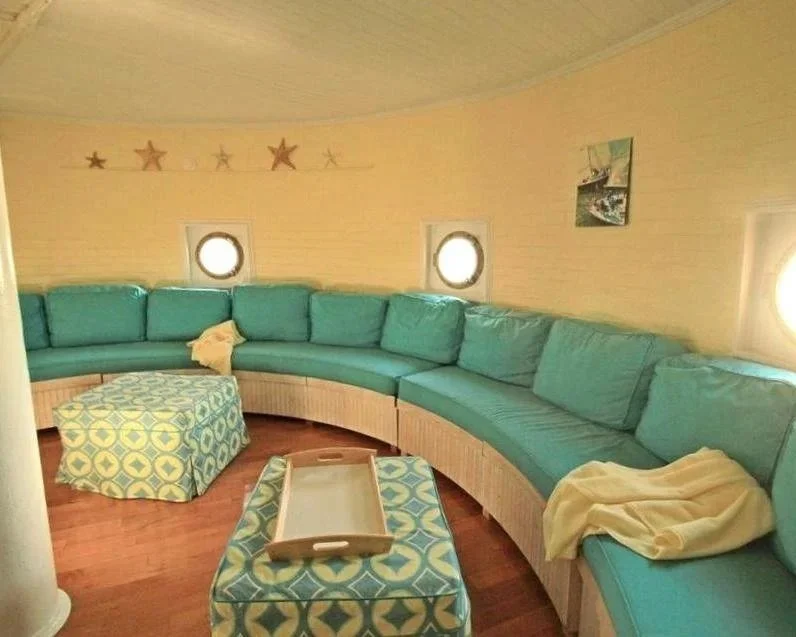
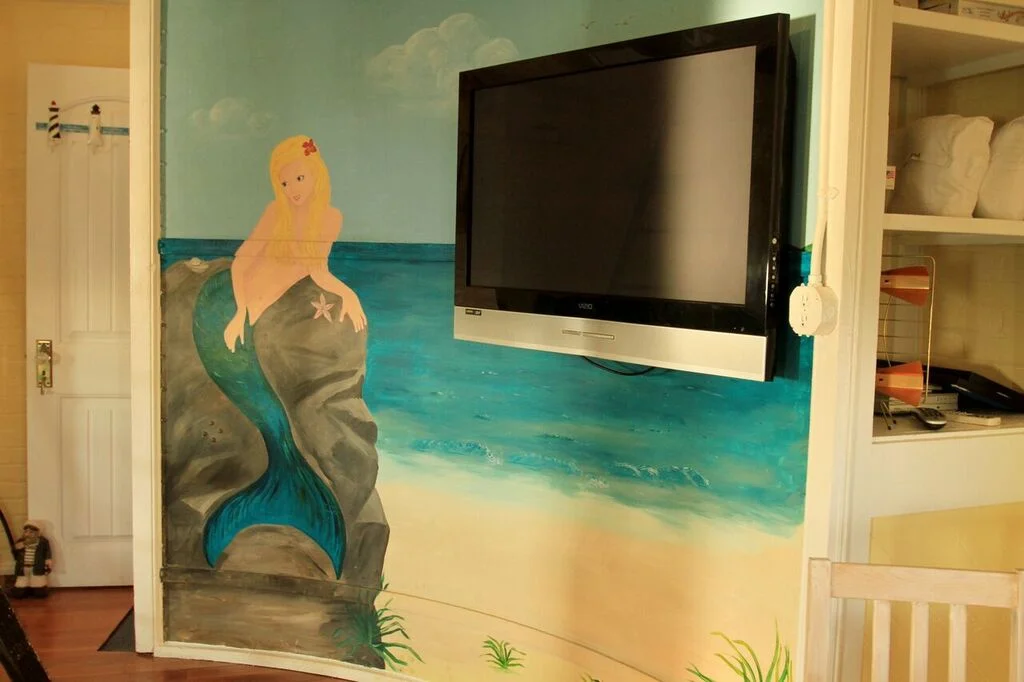
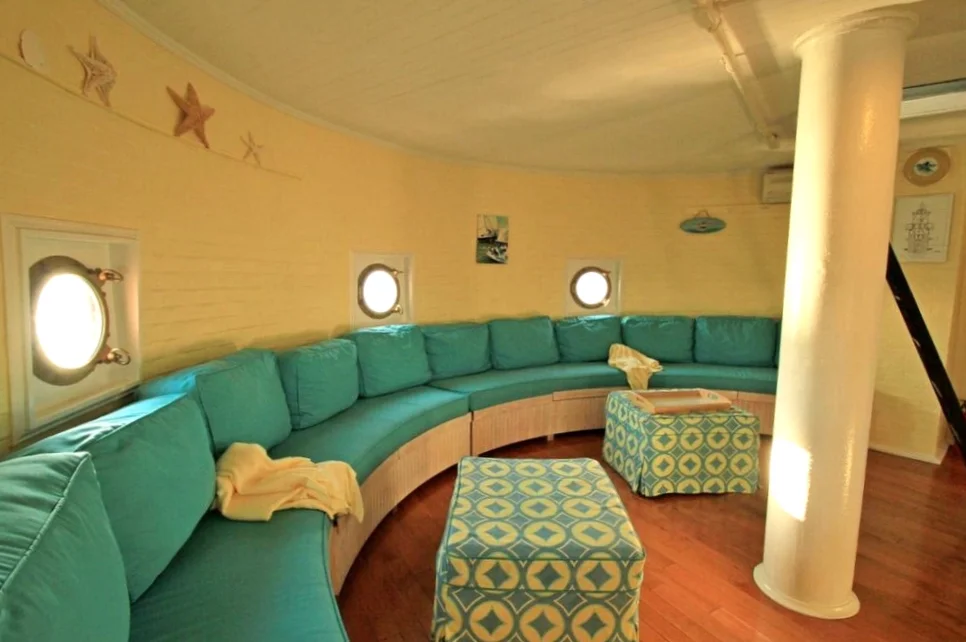
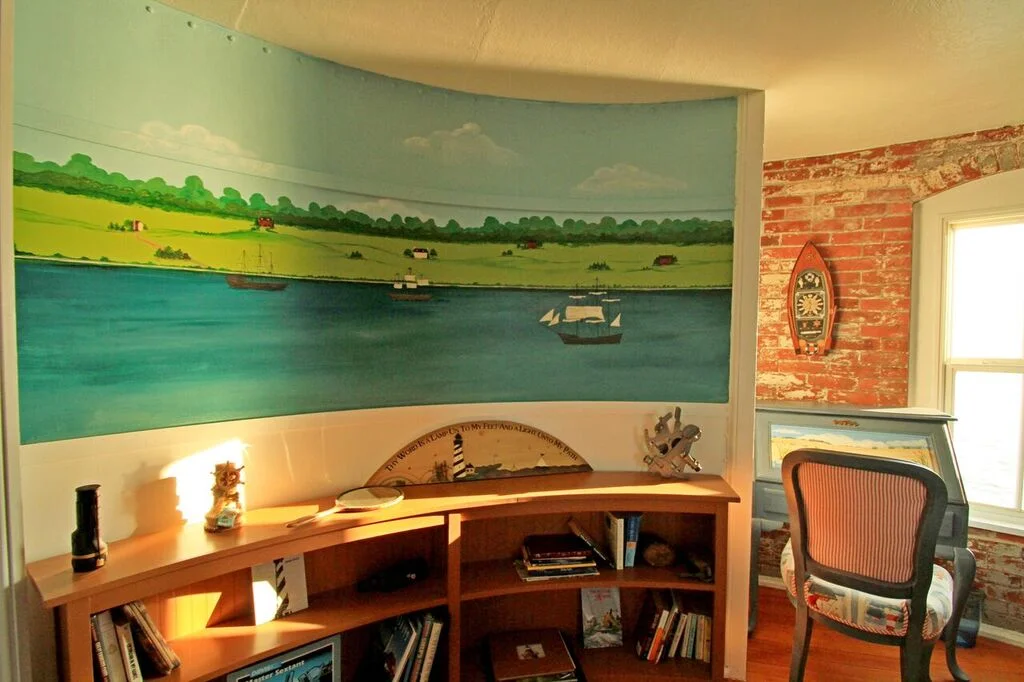
It has since been transformed into a functional living and sleeping area. Custom curved seating follows the circular walls, with integrated storage below. Additional sleeping accommodations and modern amenities have been thoughtfully incorporated.
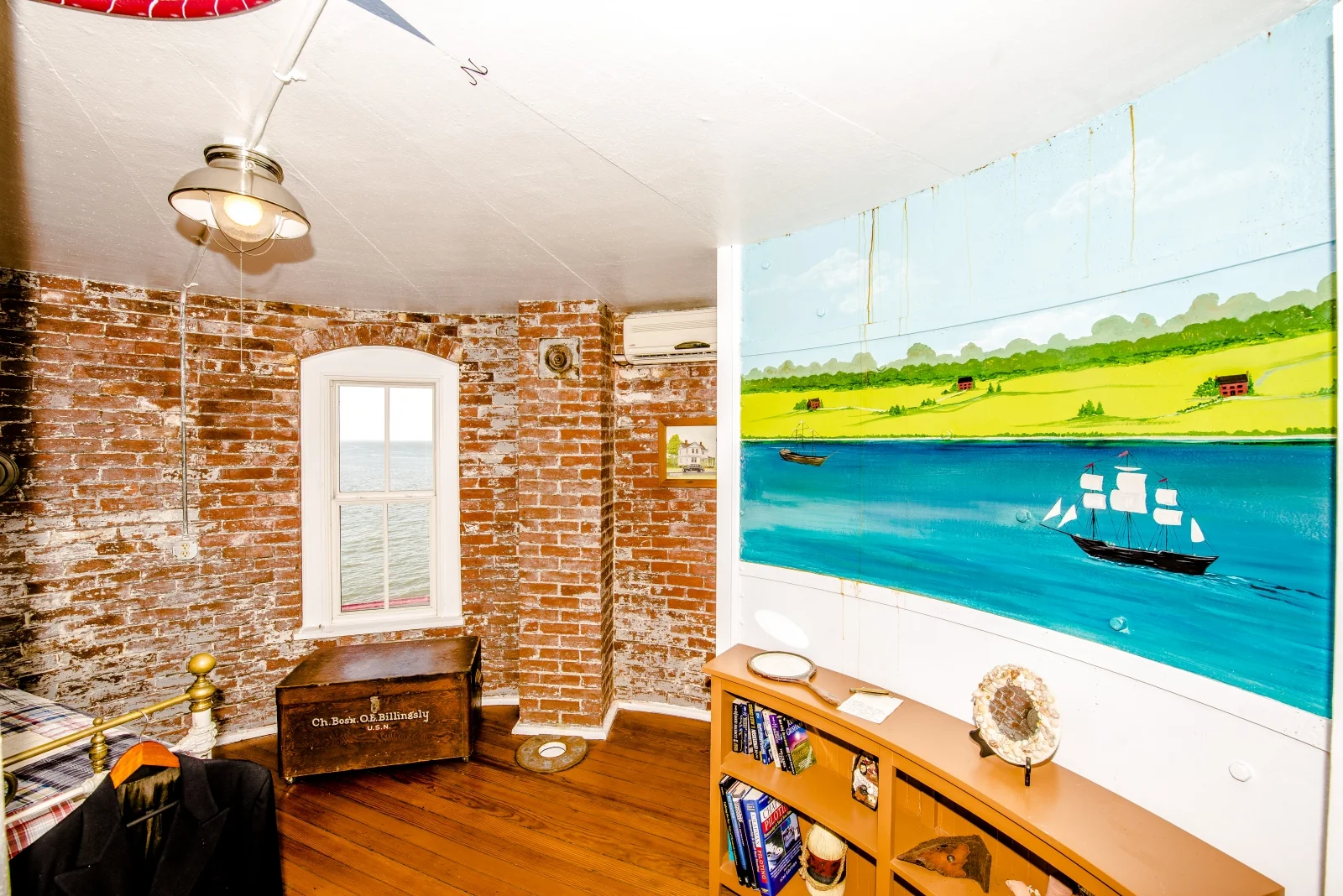
A hand-painted mural adds character while reflecting the personal contributions of the families involved in the restoration.
SLEEPING QUARTERS
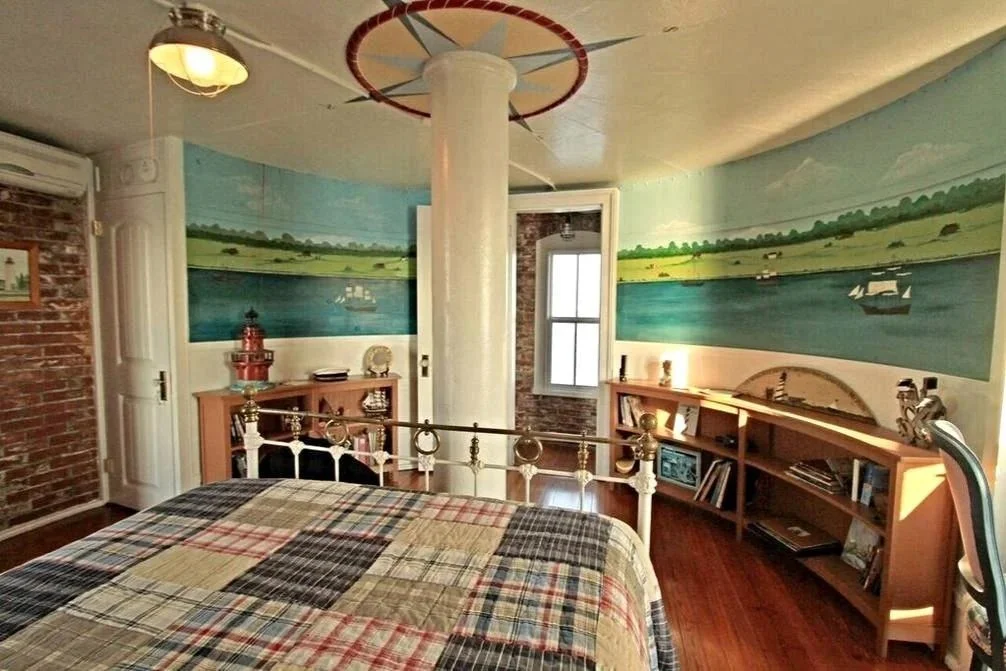
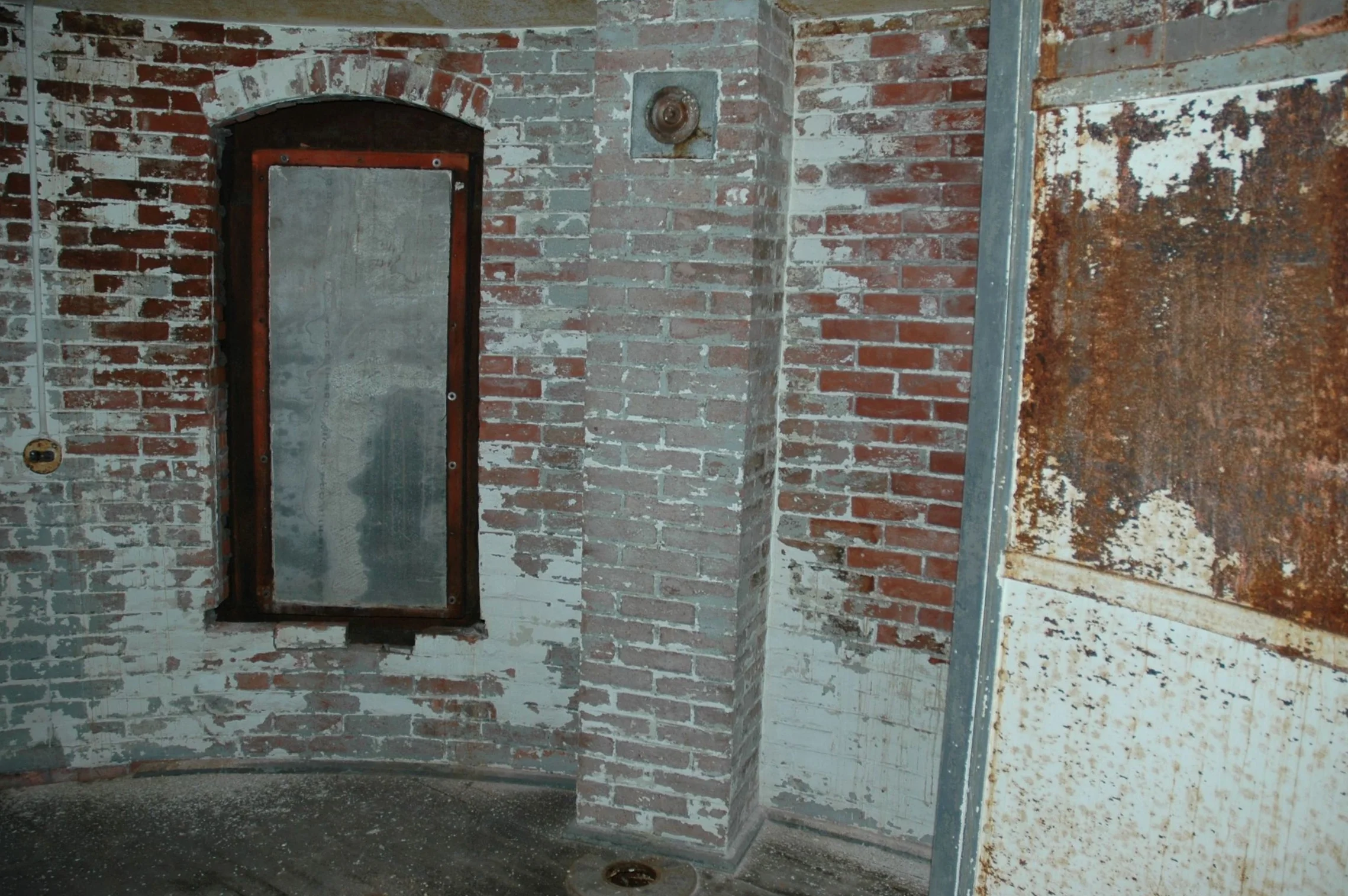
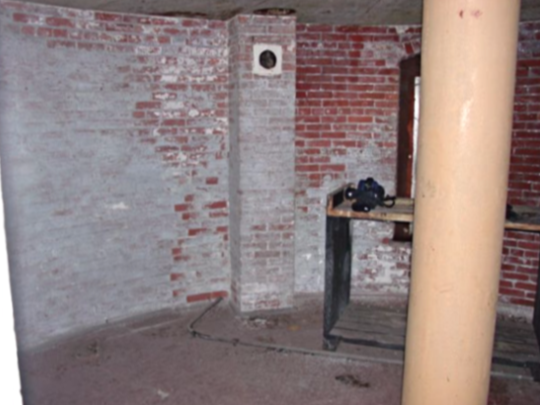
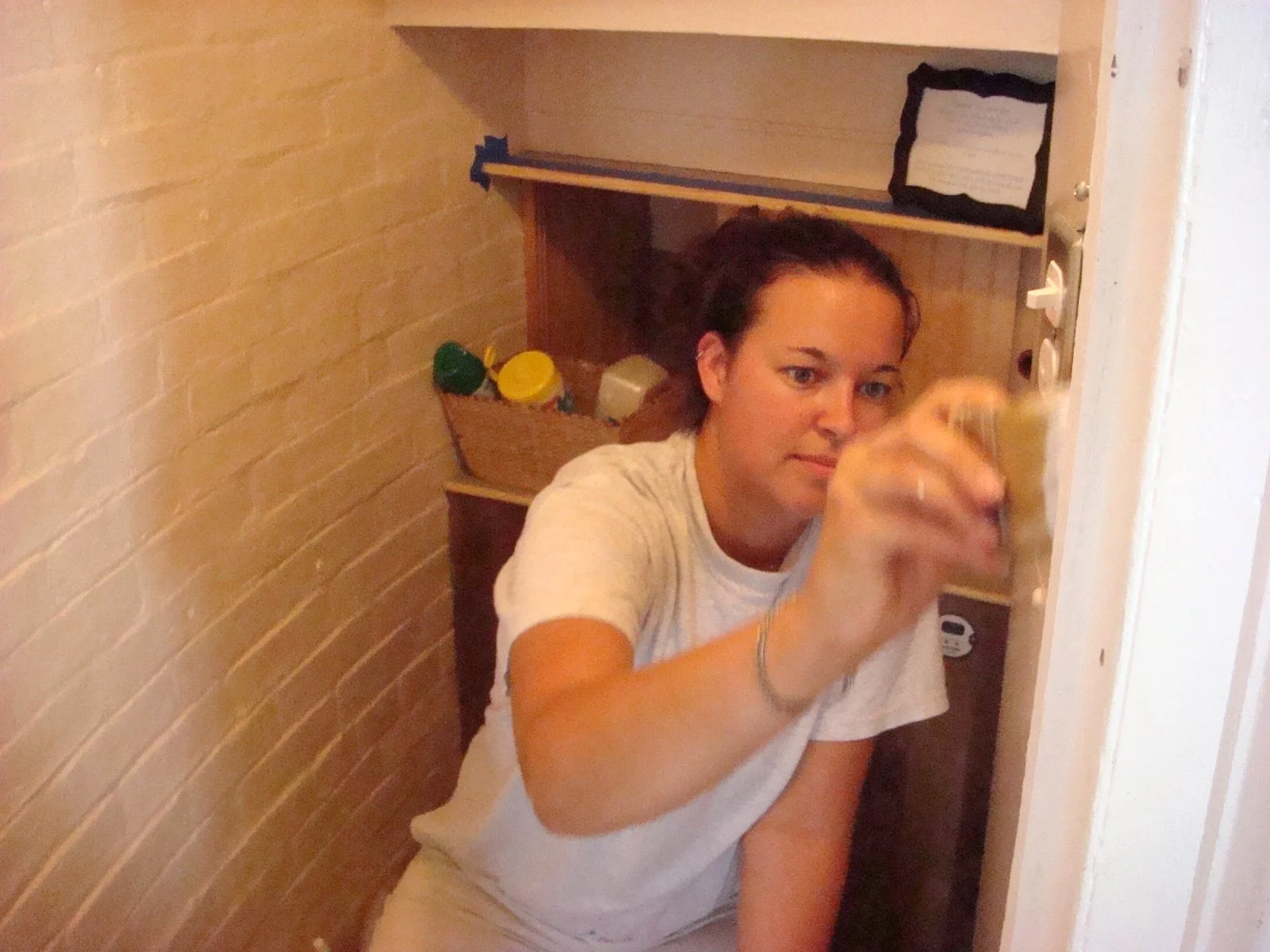
Even during the early stages of construction, the sleeping quarters offered a quiet retreat from the surrounding work taking place.
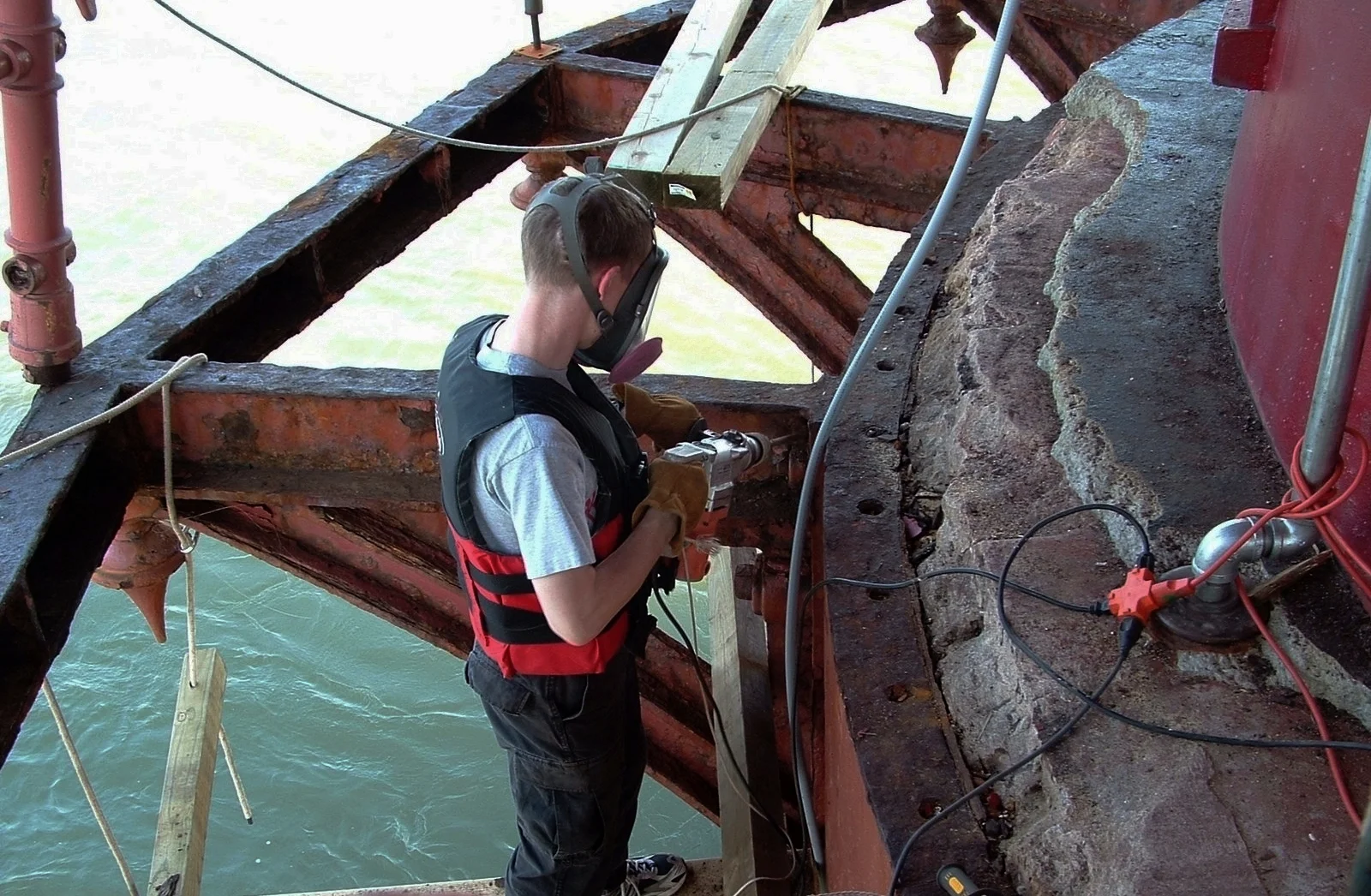
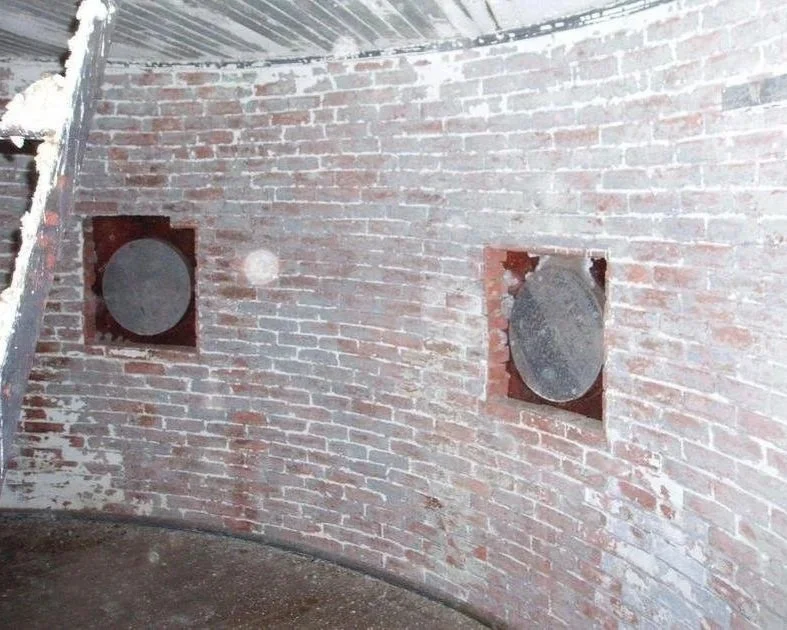
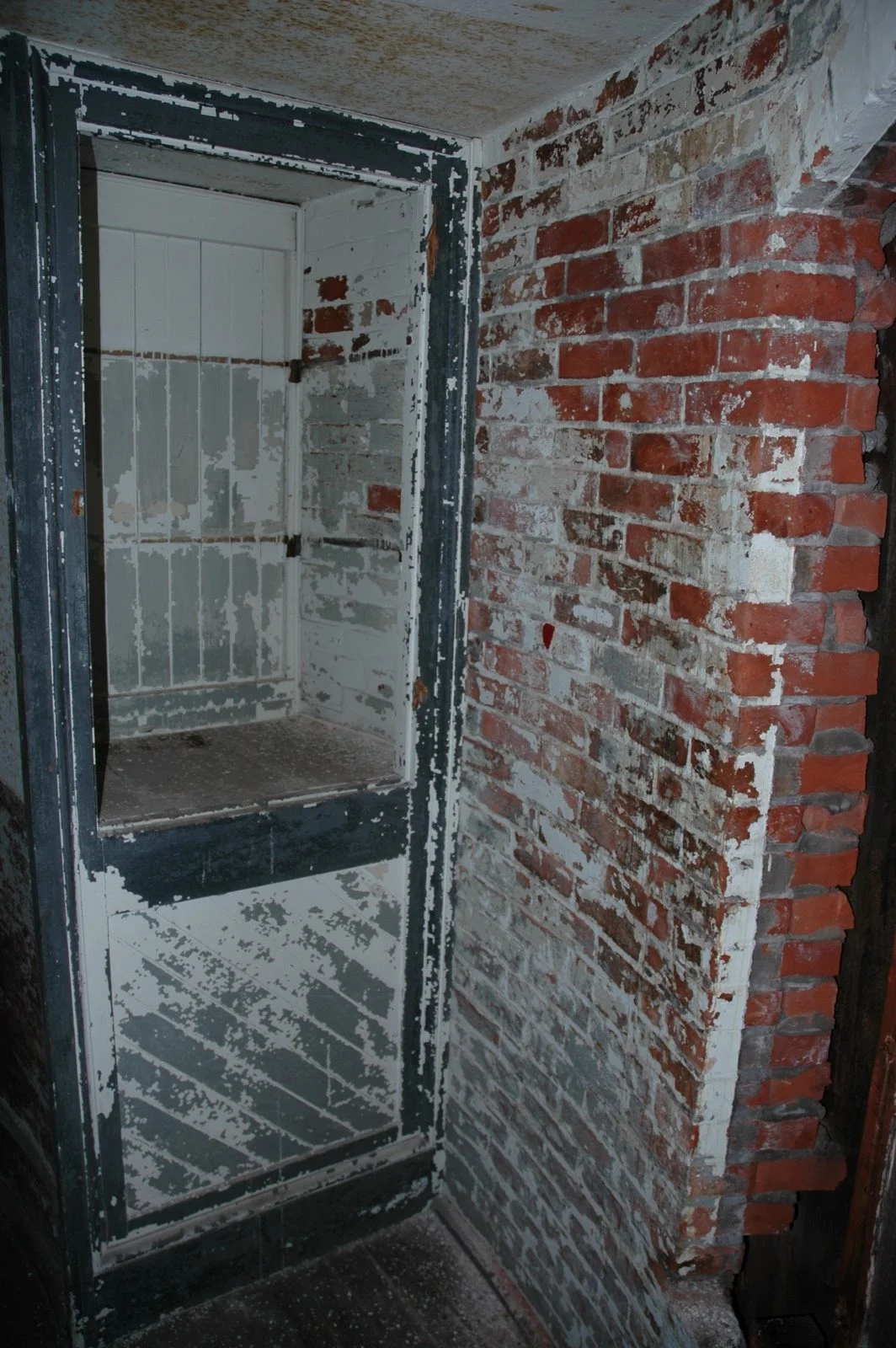
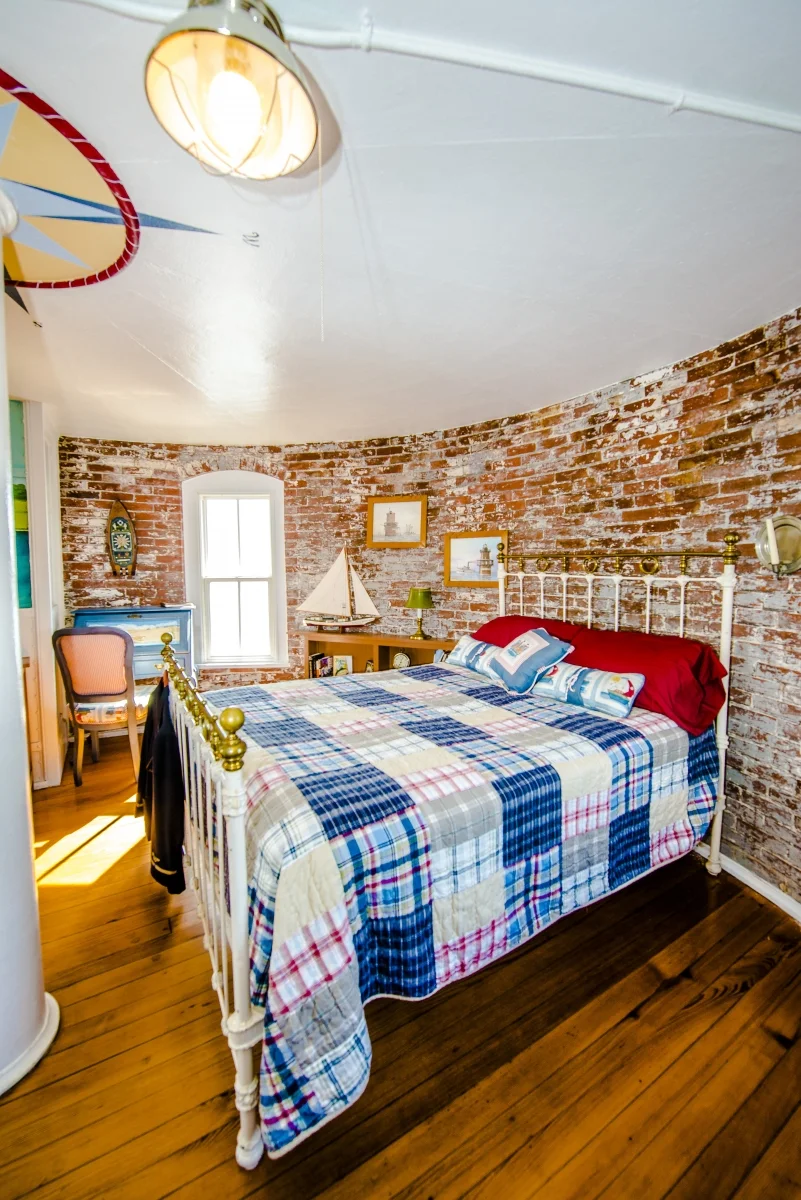
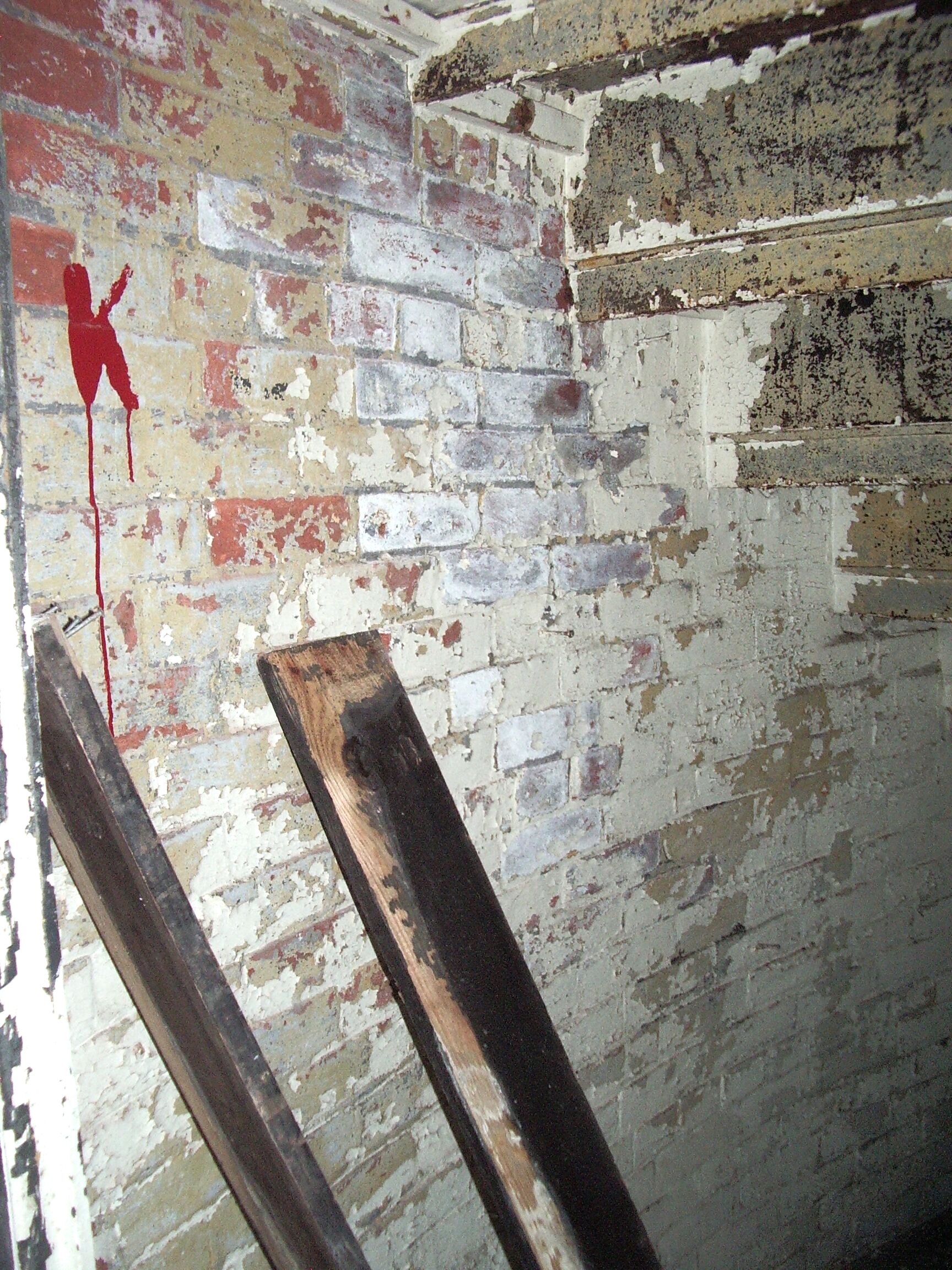
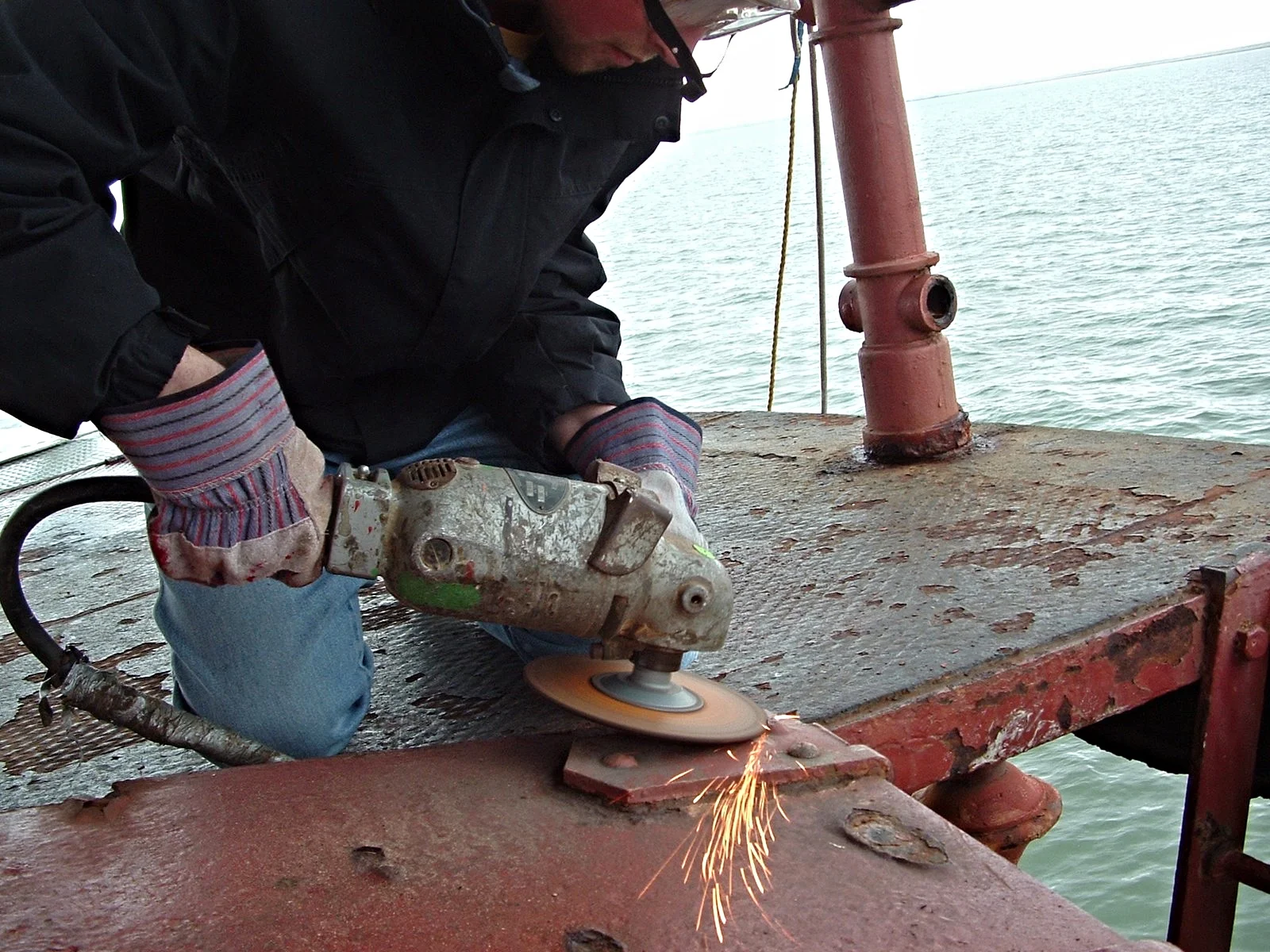
Restoration required careful removal of deteriorated lead-based paint, with each brick surface addressed by hand to preserve the underlying material.
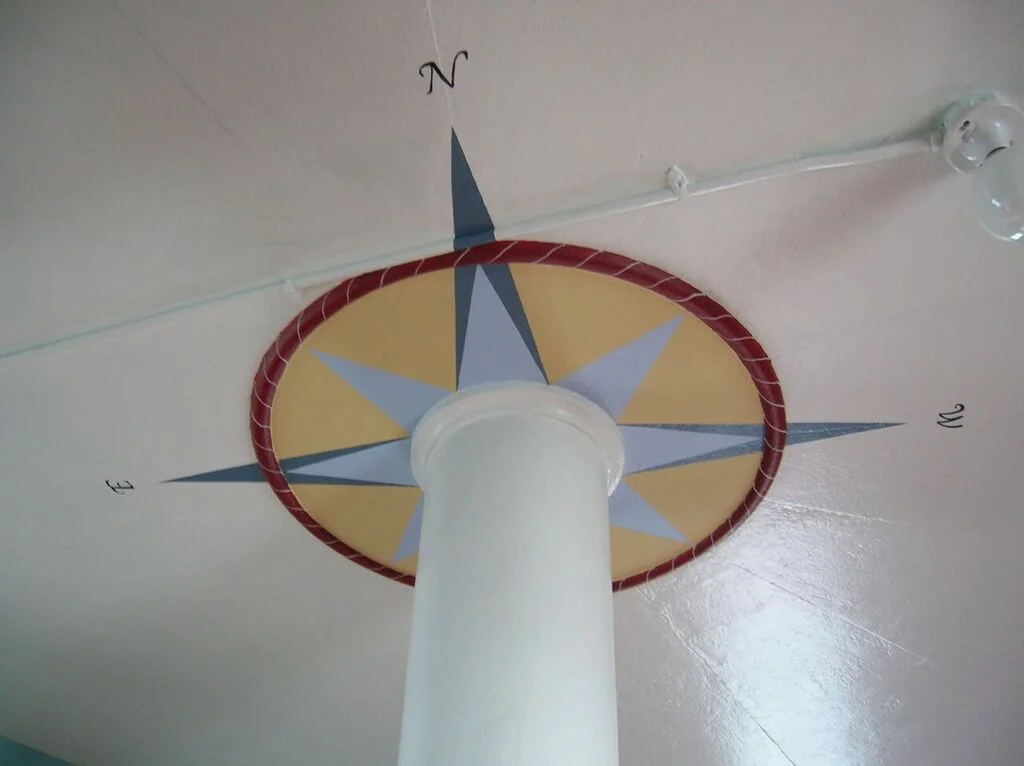
Today, the space is defined by custom-built furnishings designed to match the circular form of the structure, along with subtle artistic elements that bring warmth to the original iron and masonry surfaces.
KITCHEN
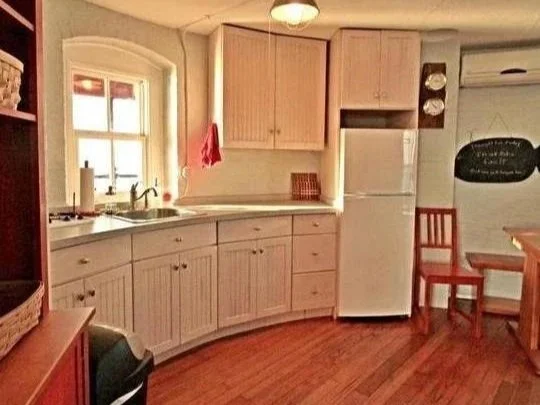
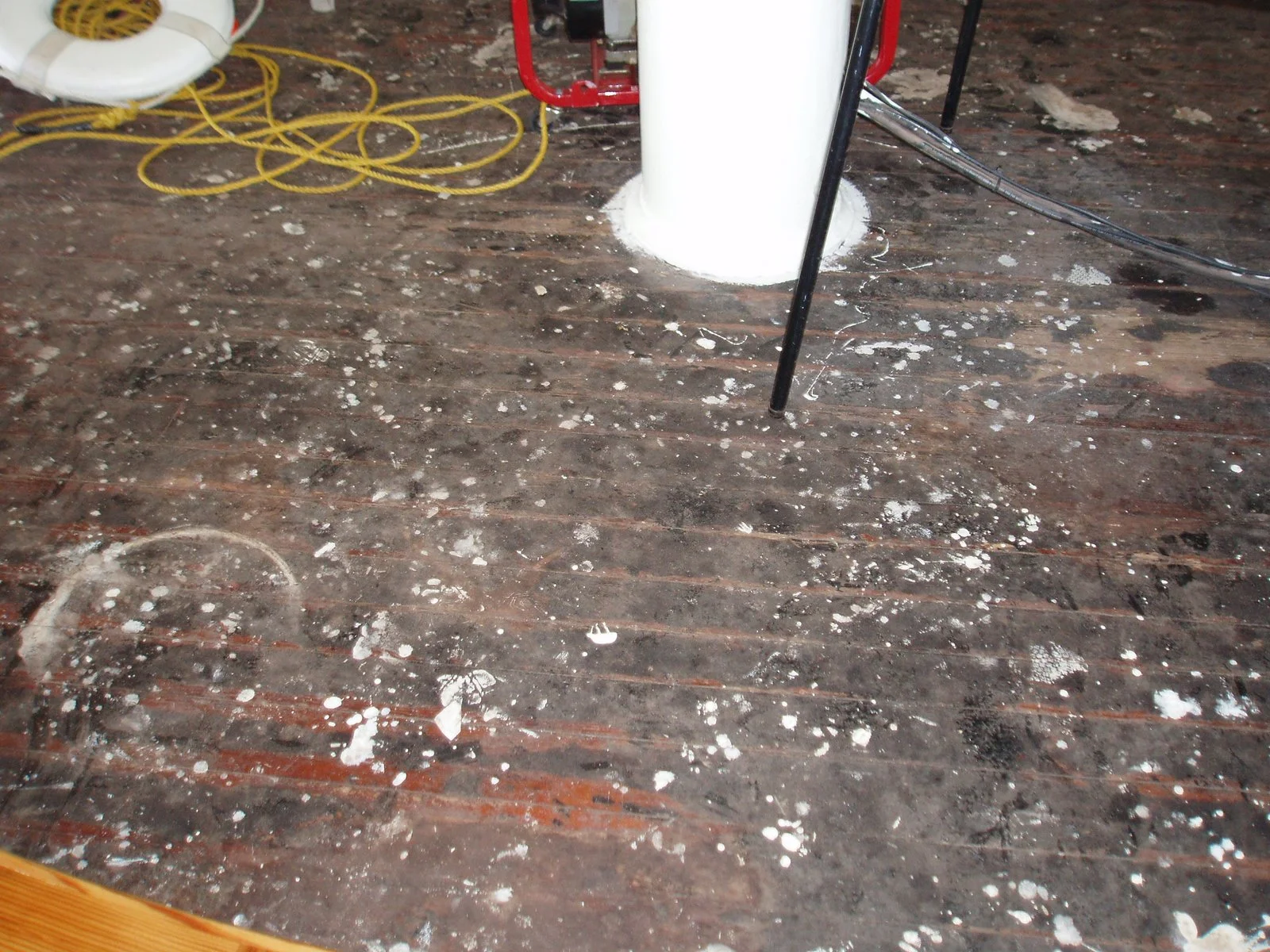
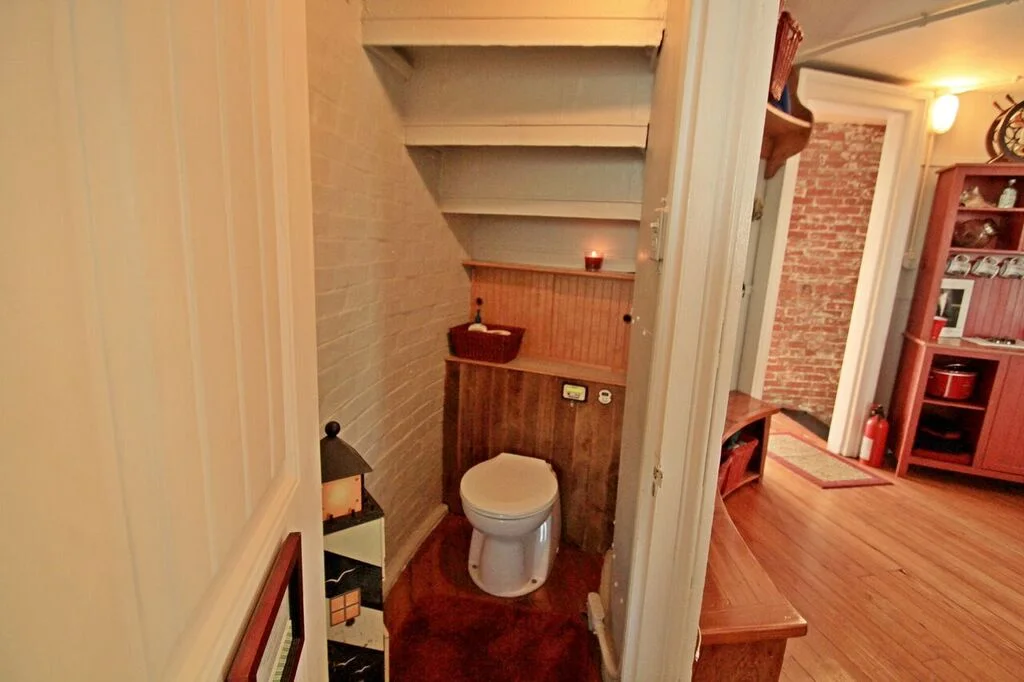
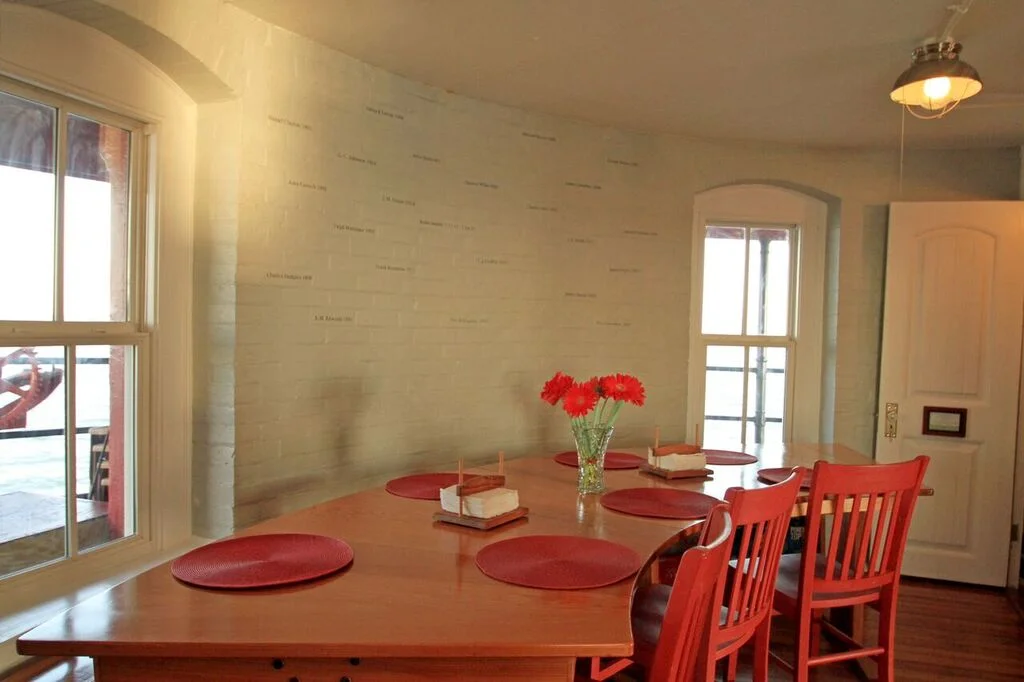
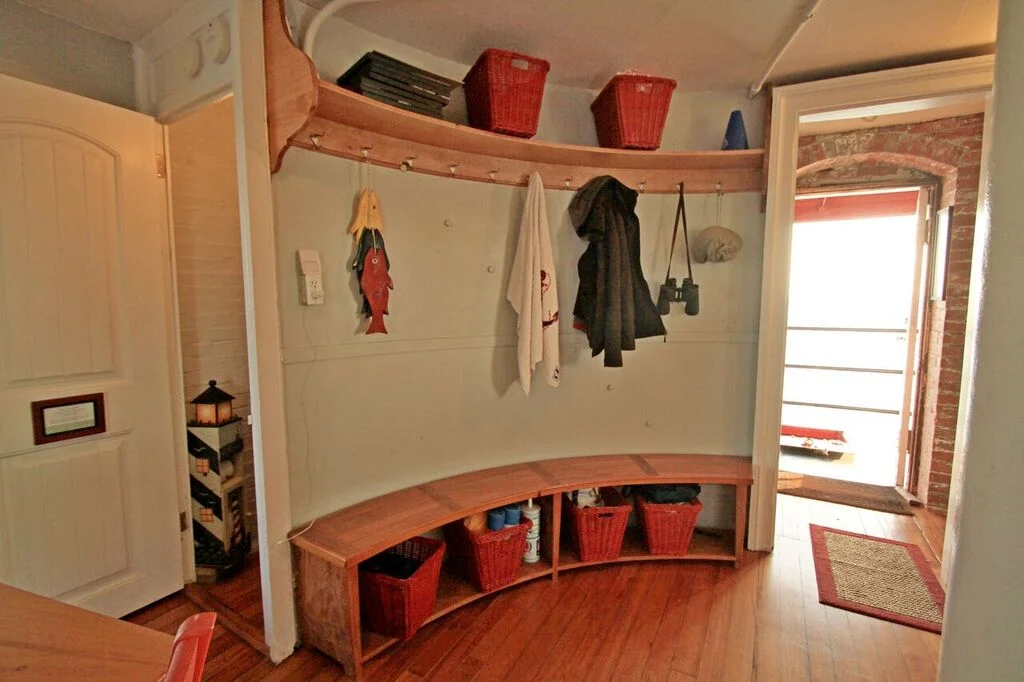
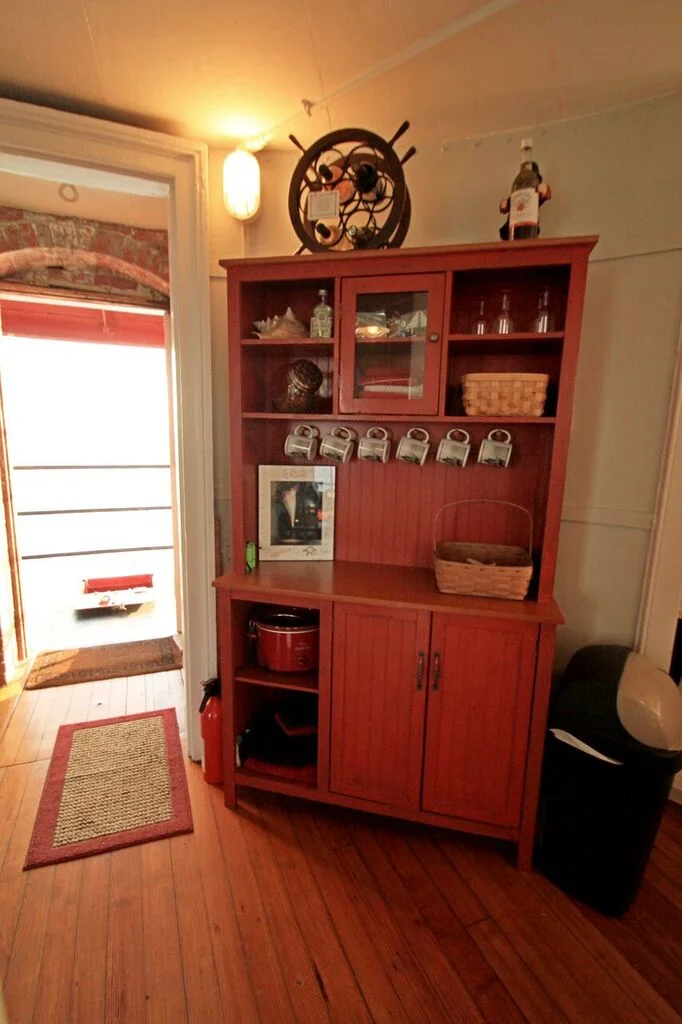
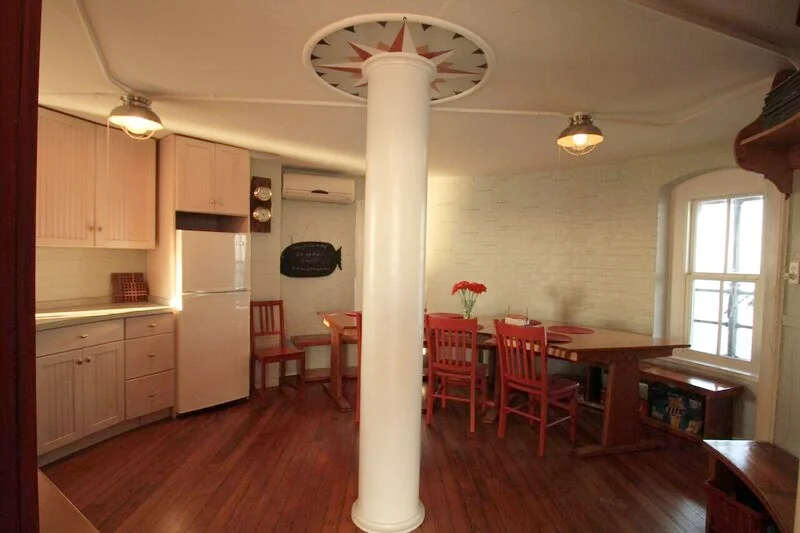
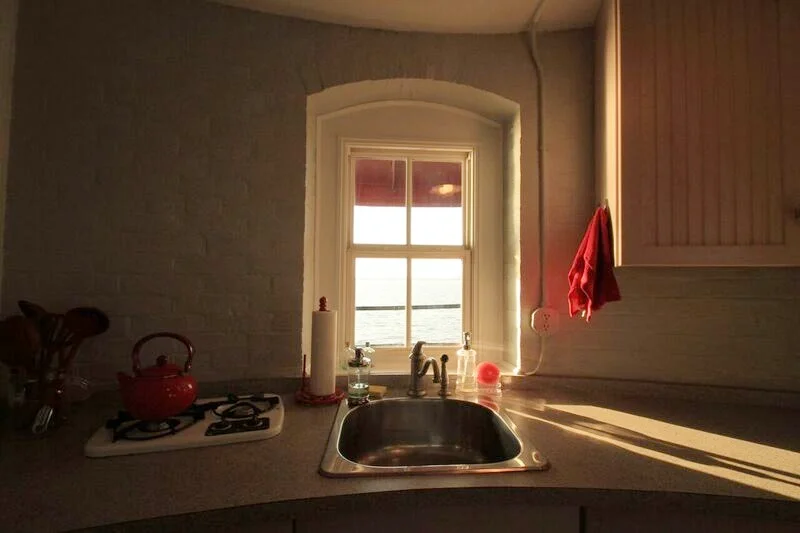
The main level originally functioned as both kitchen and living space, but following automation it had been reduced to storage for navigation equipment.
During the renovation, those systems were relocated, allowing the space to return to its intended role as the central gathering area of the lighthouse.
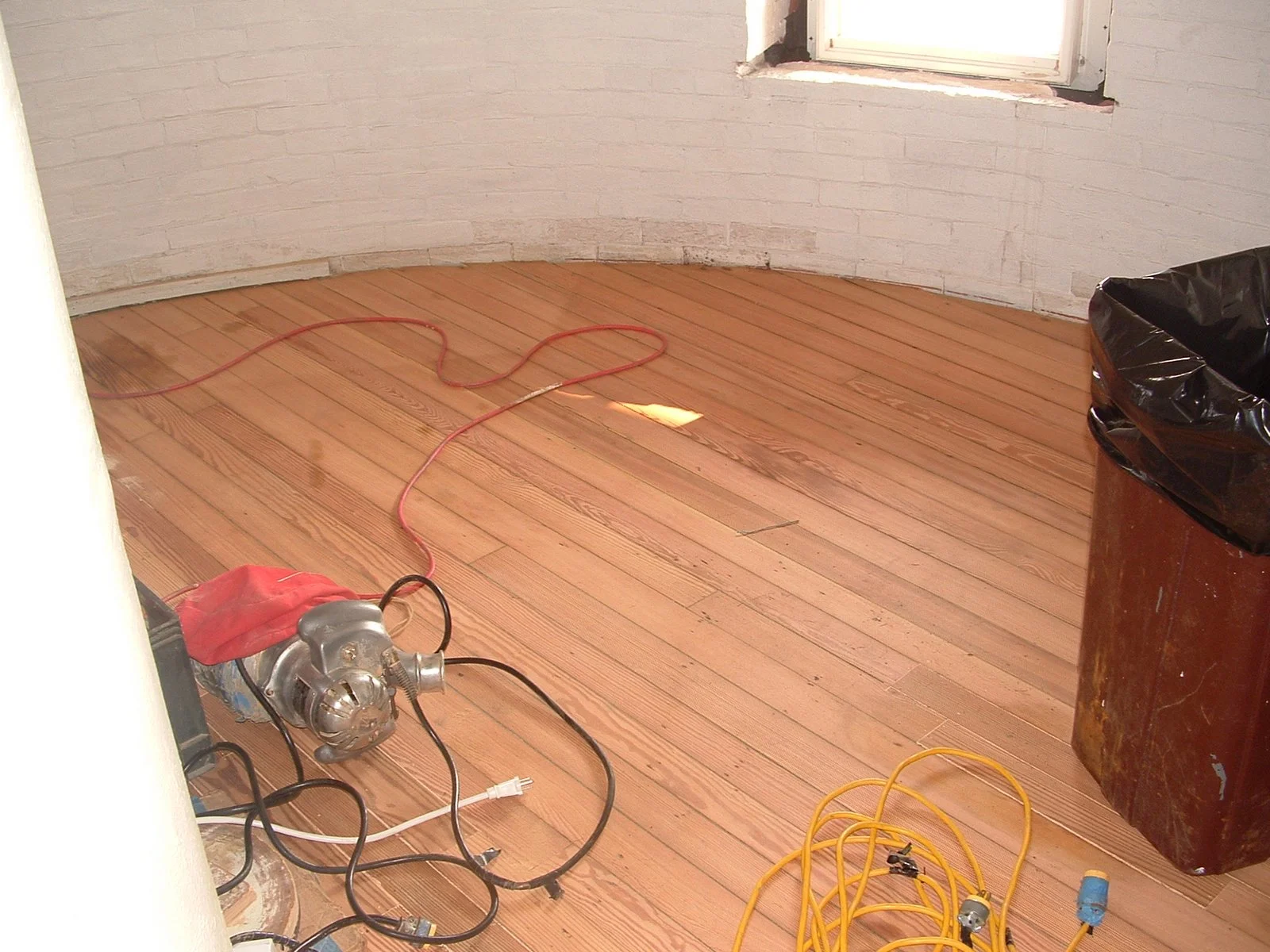
Original wood flooring which was concealed beneath deteriorated coverings was restored and refinished. The custom dining table and benches, built from reclaimed materials within the structure, now once again support shared meals and gatherings as the heart of the home.
DECK
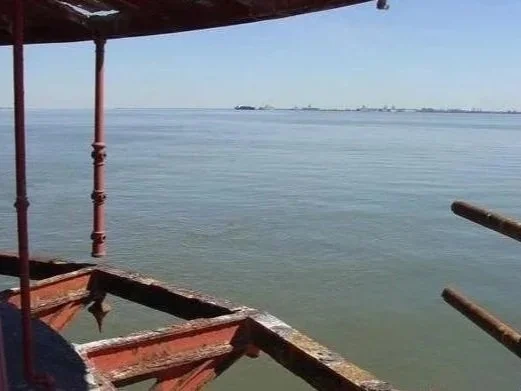
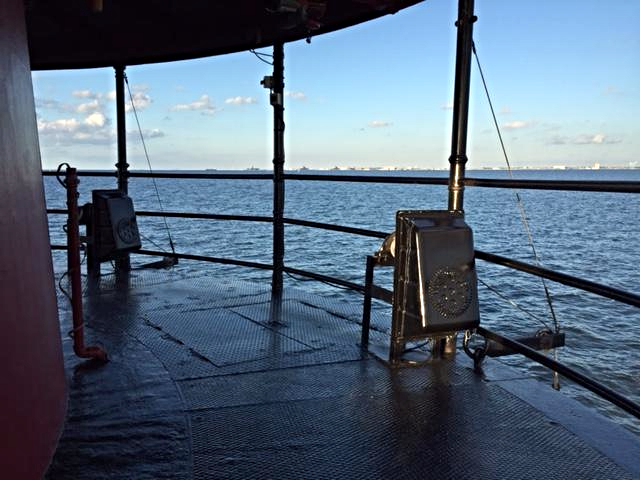
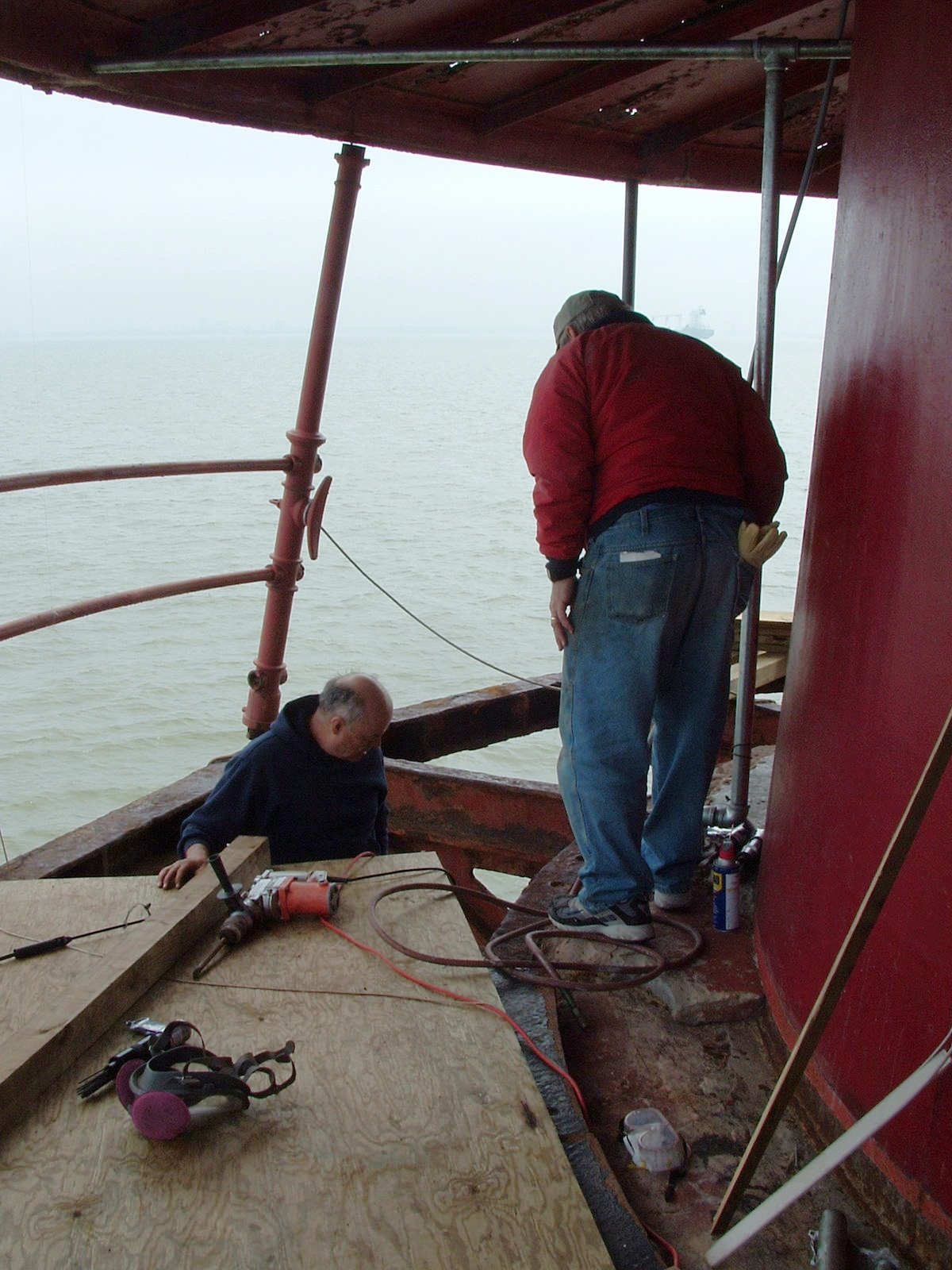
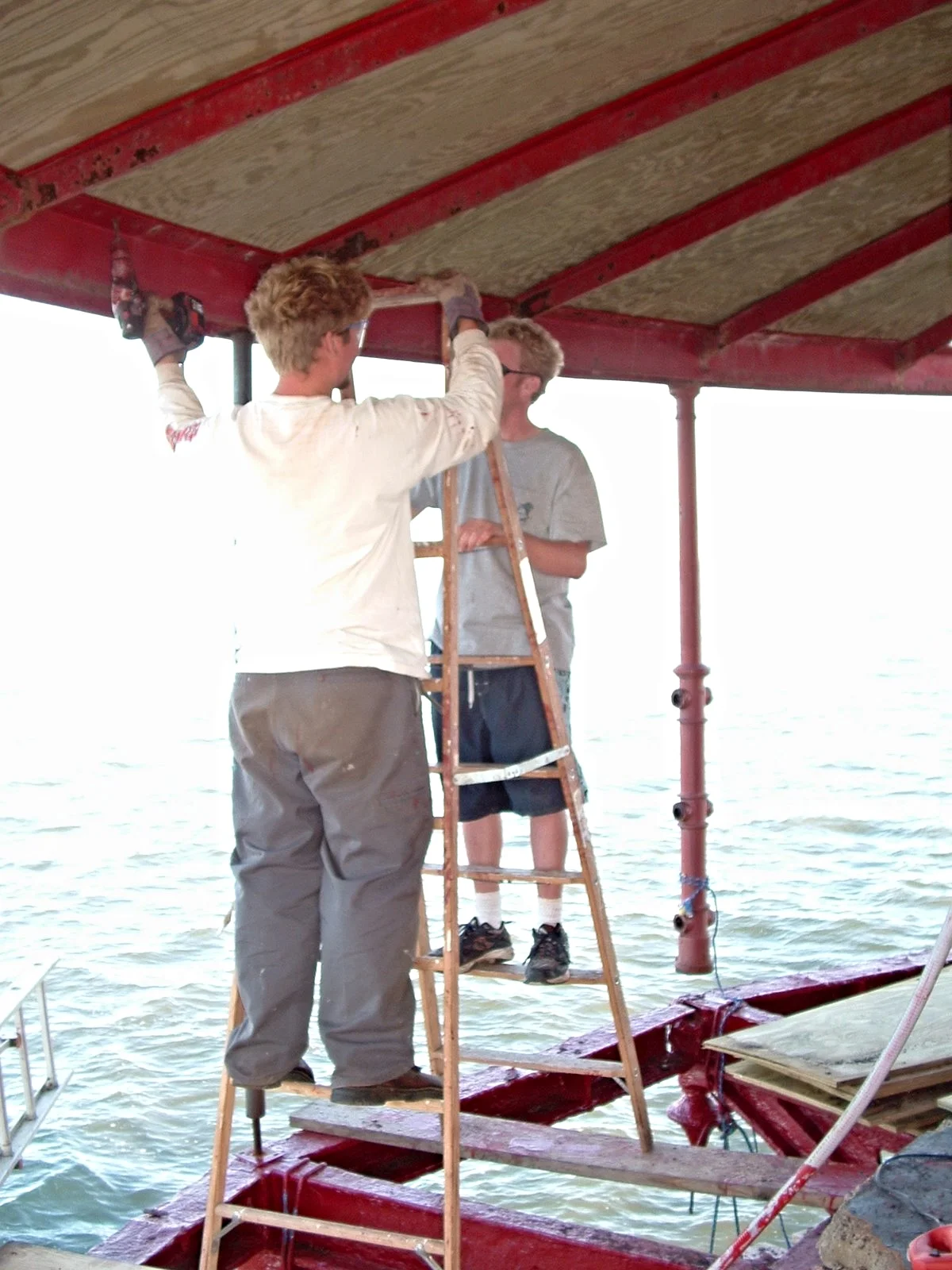
Restoring the main deck was among the most complex aspects of the project. Significant portions of the structure had been lost to storm damage and long-term exposure, leaving large sections compromised or missing entirely.
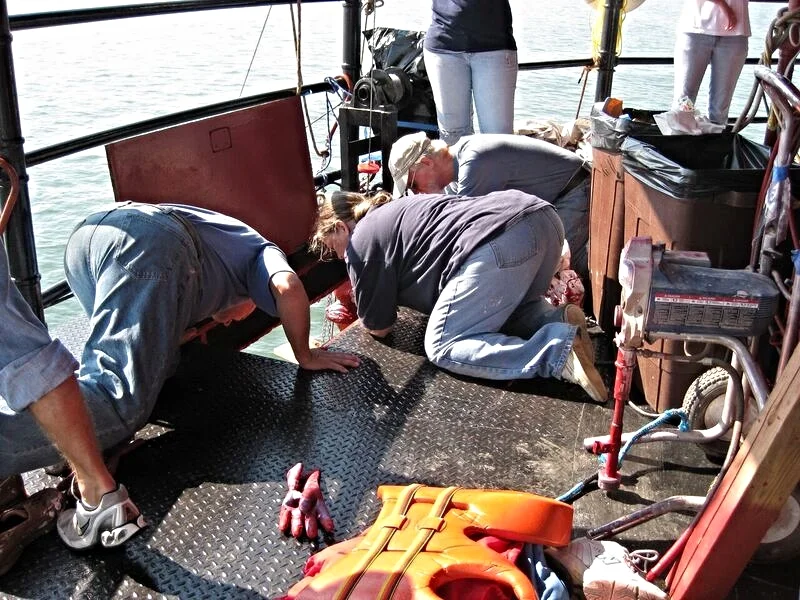
In the early stages, even crossing the deck required caution. Joan was so uneasy that for the first month she crawled from the ladder to the front door.
The roof required full disassembly, with more than 1,500 rivets removed to replace damaged panels.
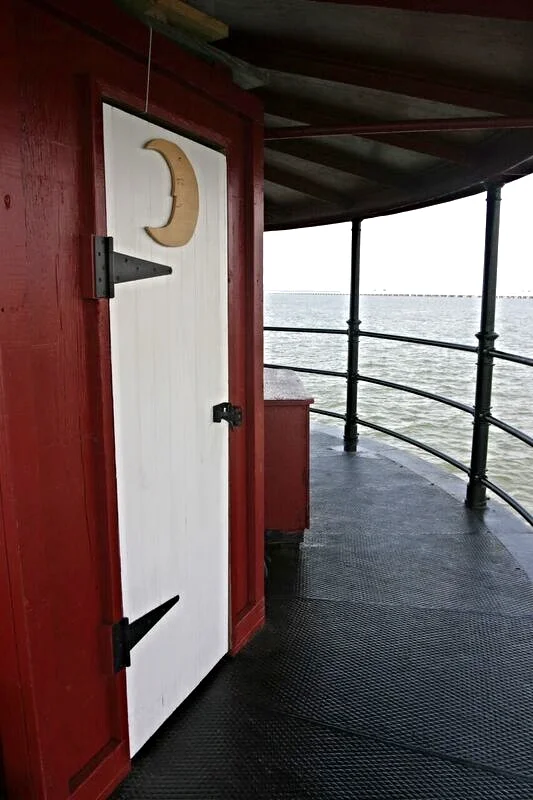
Today, the deck and railings have been fully rebuilt, creating a durable outdoor space that includes an open-air shower and uninterrupted views in every direction.
CELLAR
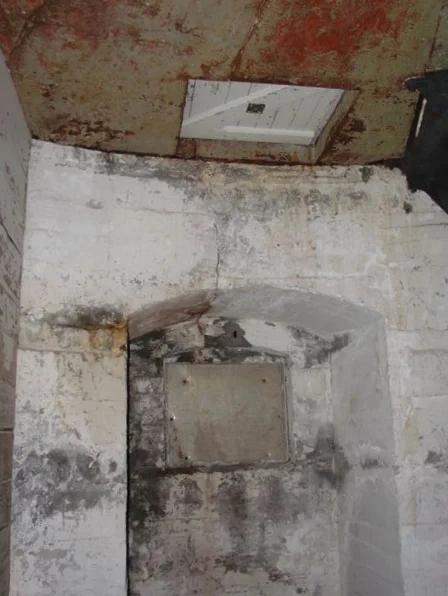
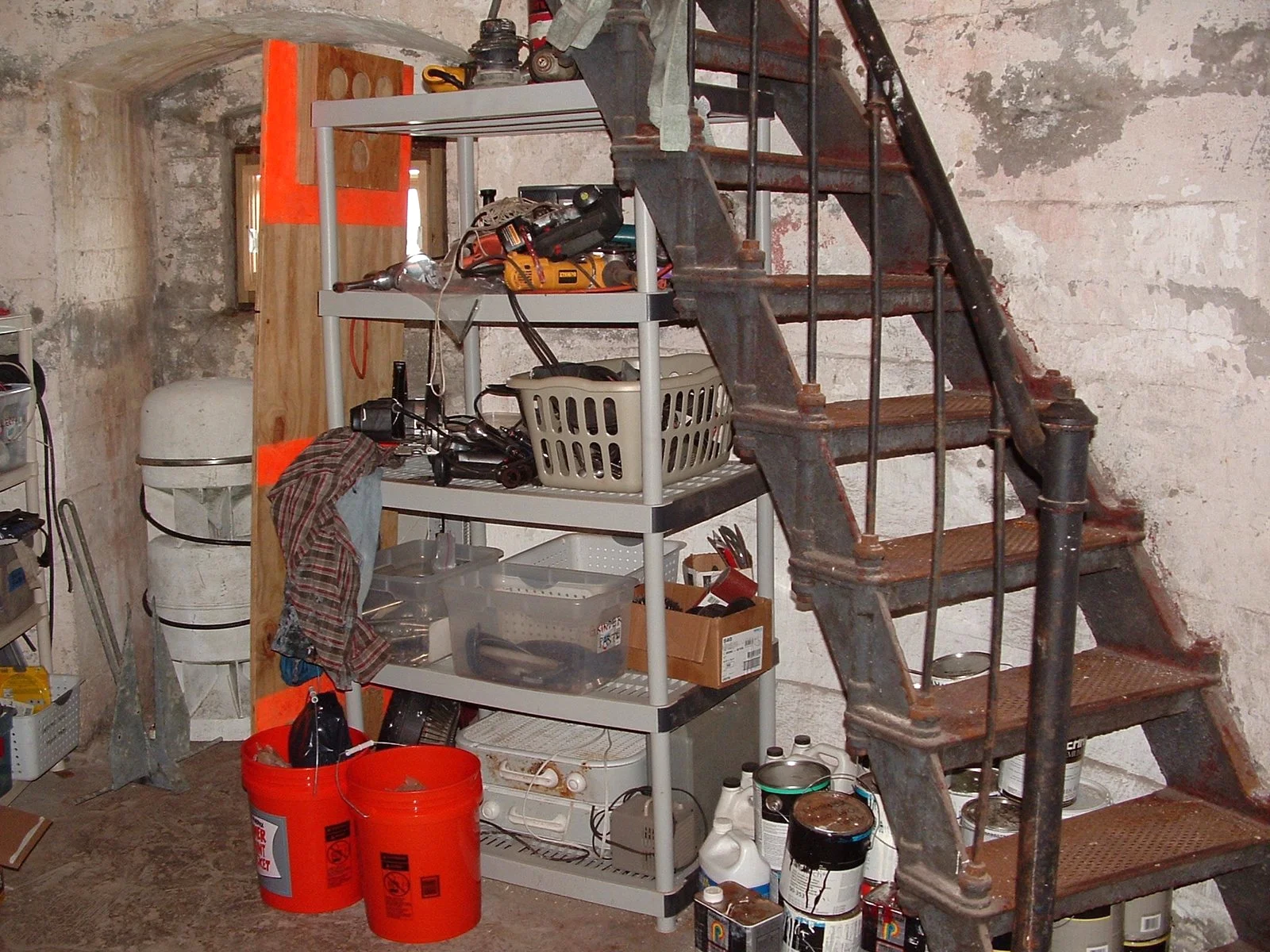
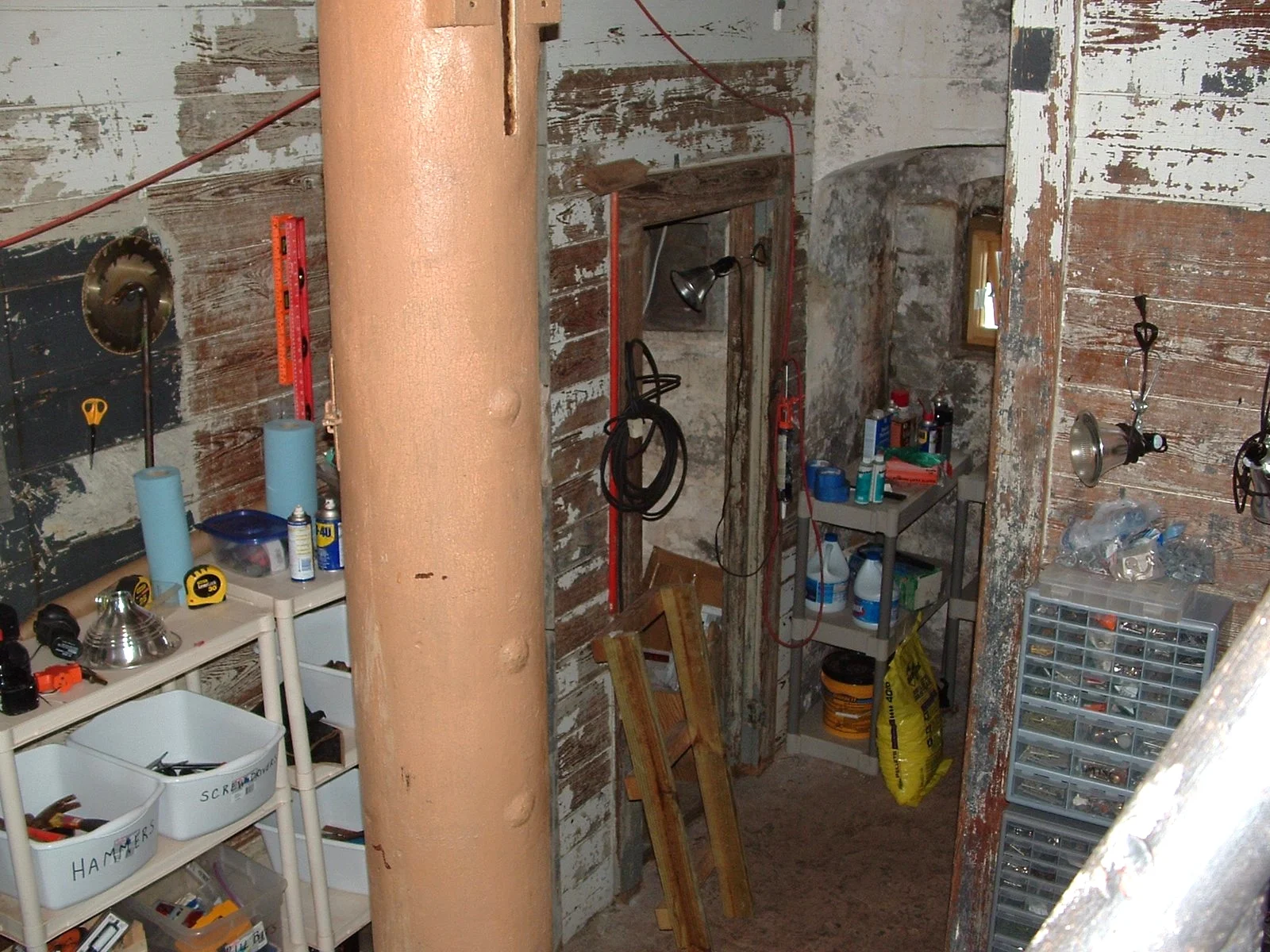
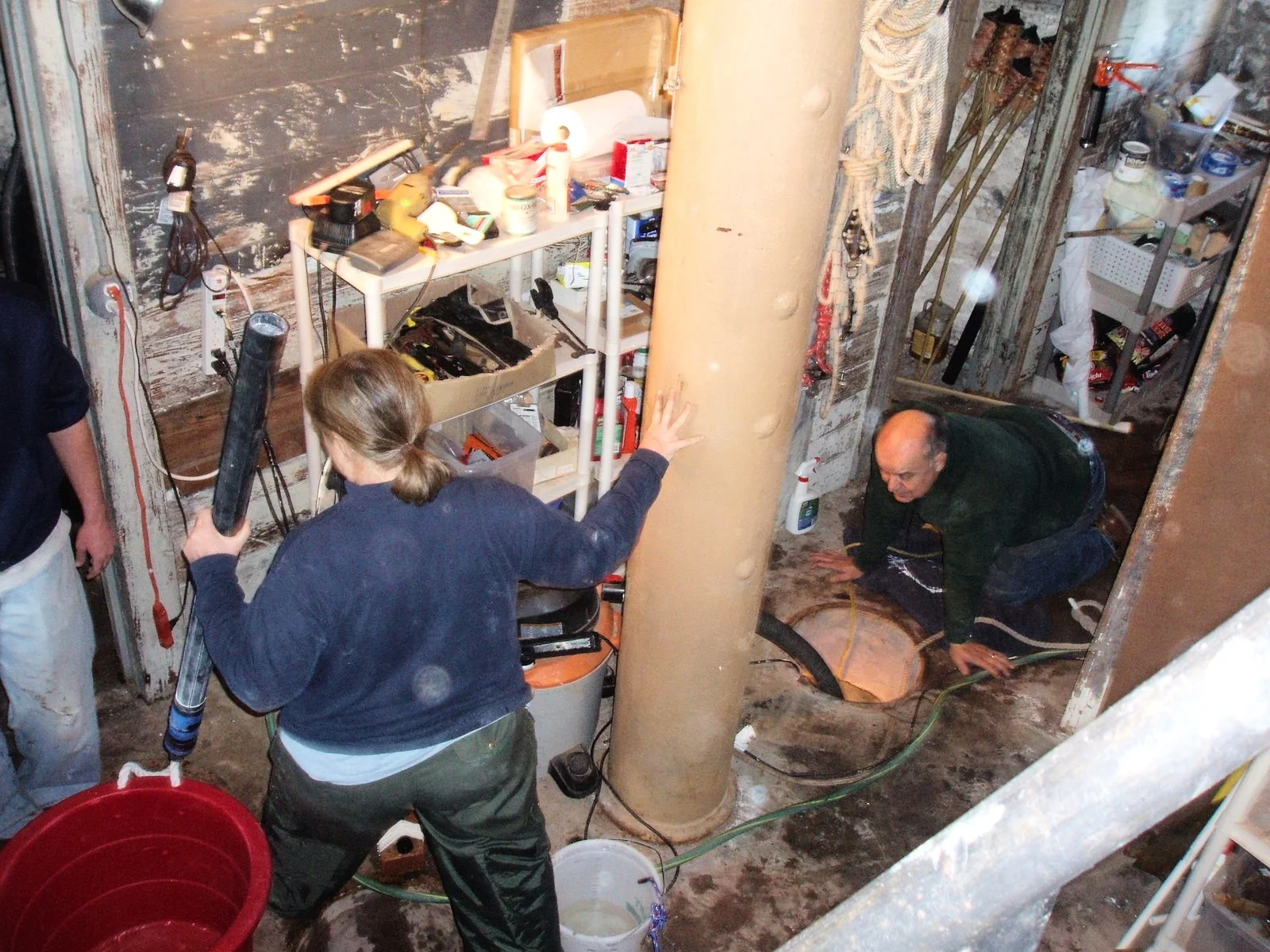
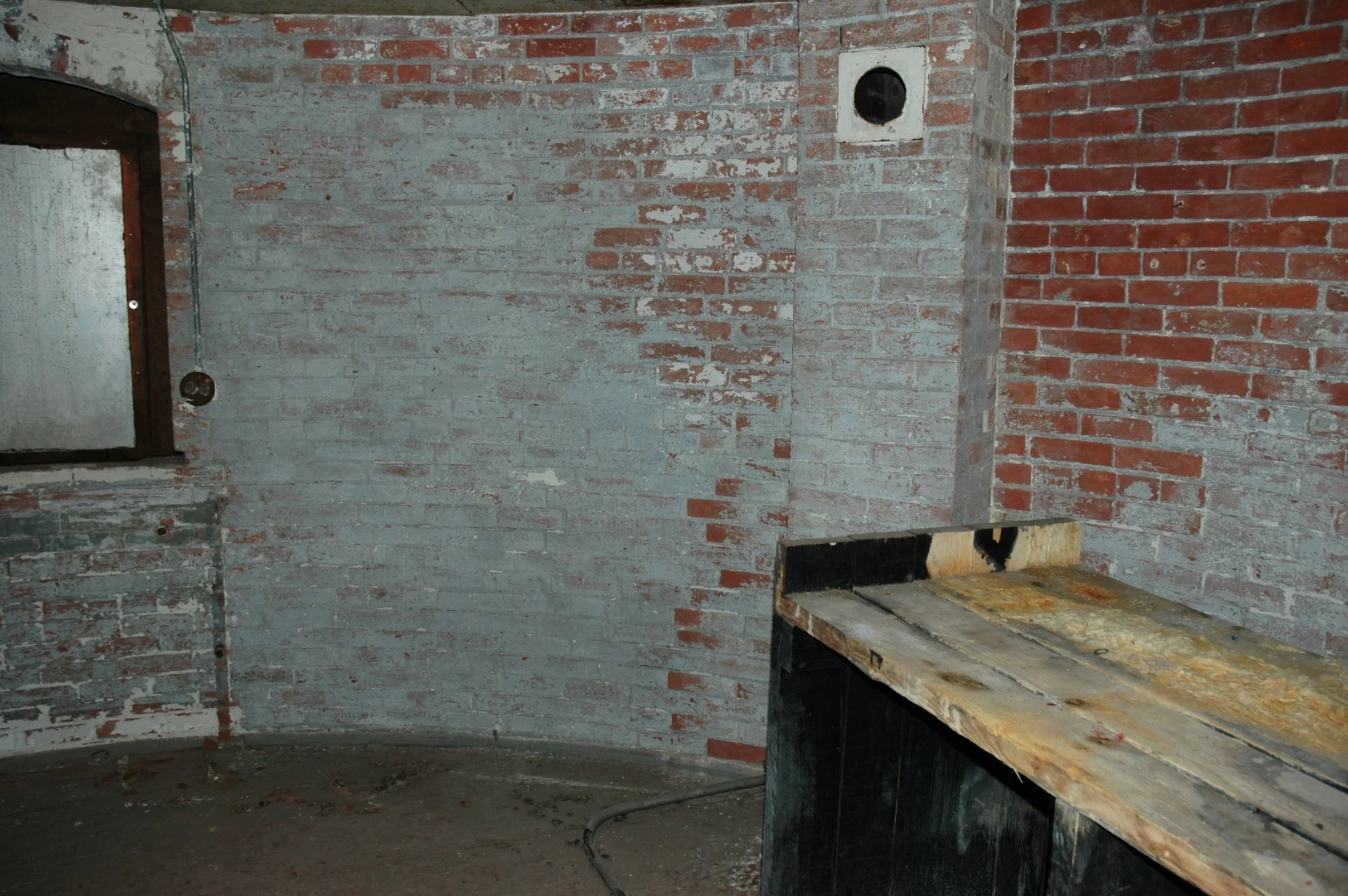
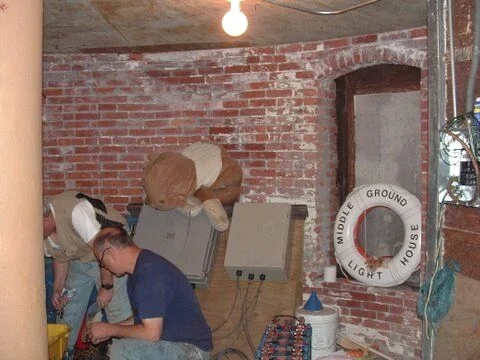
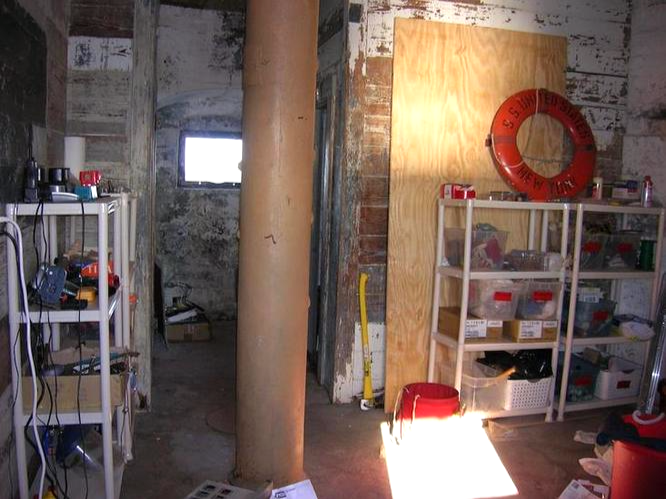
During the restoration, the cellar served as the operational center of the project, housing tools, materials, and equipment required for daily work.
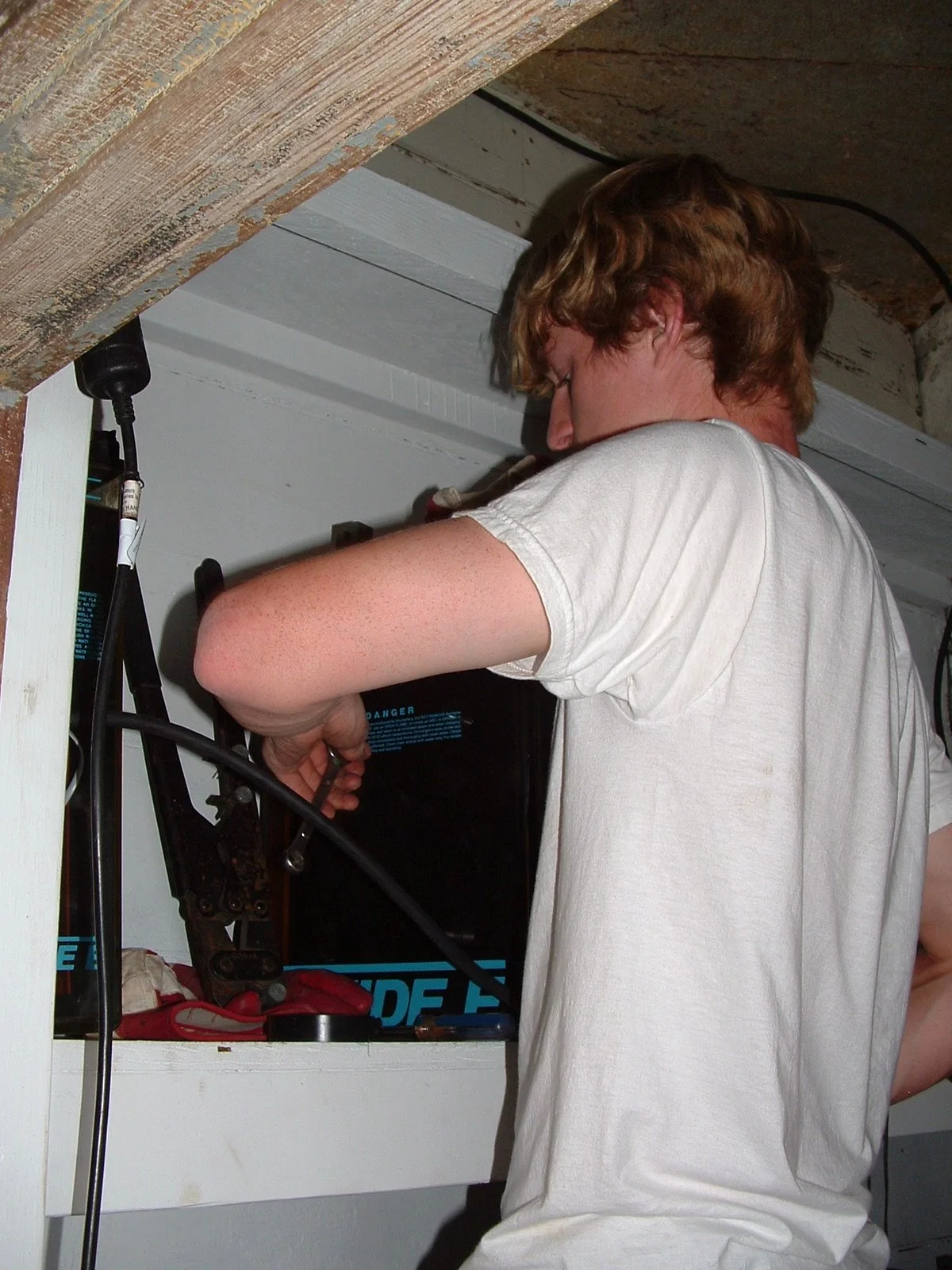
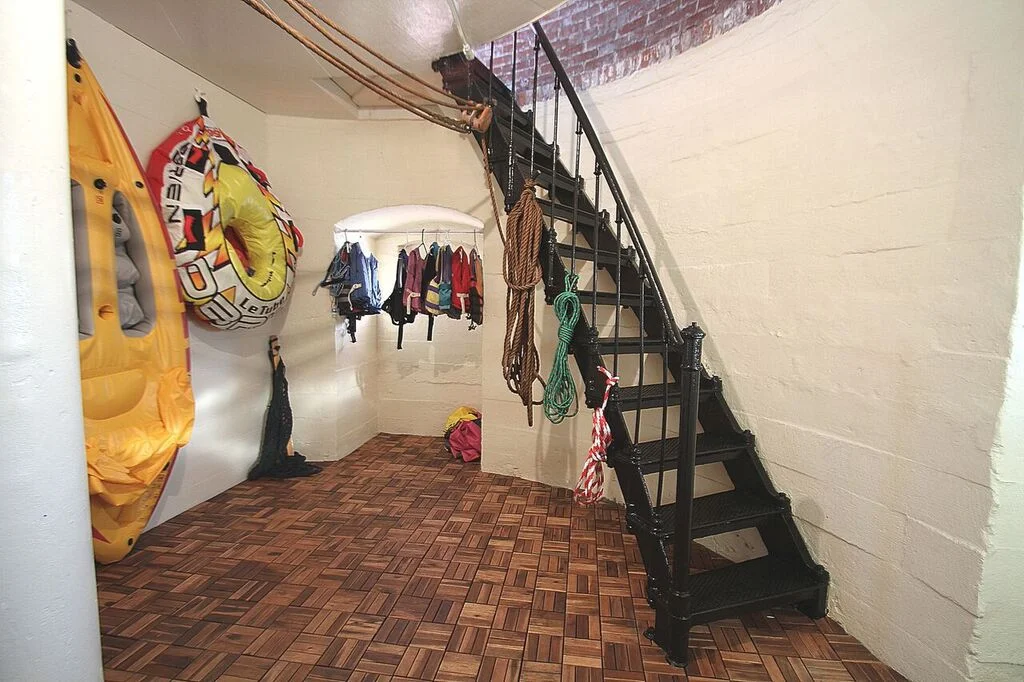
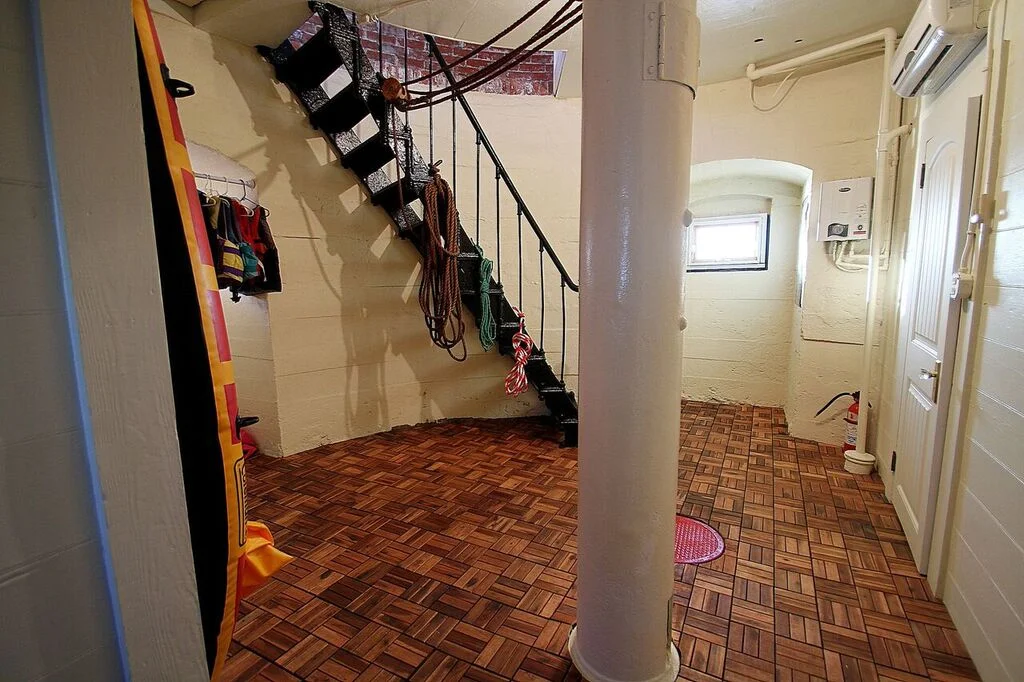
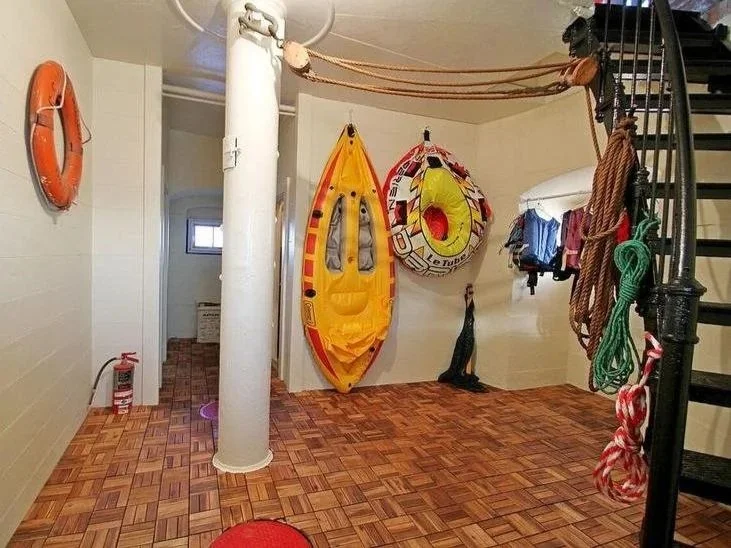
Today, the space functions as the infrastructure core of the lighthouse, supporting electrical systems, water storage, sanitation equipment, and essential gear.
The original cistern system remains in use, collecting and storing rainwater for daily needs.